

ኣብ ዝሓለፈ 27ን 28ን ጥሪ 2017 መራሒ ህግደፍ ምስታ ኣብ ኤርትራ ብሒታ ዘላ ቲቪ-ኤረ ብድምር ናይ 210 ደቓይቕ ቃለ መጠይቕ ኣካይዱ። እዚ ቃለመጠይቕ ንነዊሕ ግዜ መጸዋዕታን ምቅርራብን ክግበረሉ ዝጸነሐ ነይሩ። ያኢ ኣብ ውሽጢ ኤርትራ ዘሎ ሕቶታት ተመሊሉስ ካብ ወጻኢ ሕቶታት ክኣቱ መጸዋዕታ ክግበር እውን ተዓዚብና። ብዙሓት ከኣ ገለን ብጉርሒ ገለን ከኣ ብገርሂ ሕቶታት ዝጸፍጸፉ ነይሮም። ካብቲ ዘቕረብዎ ሕቶታት ክንደይ ተመሊስሎም ድማ ባዕላቶም ዝጸባጸብዎ እዩ።
ኣቶ ኢሳይያስ መመሪጹ ናይ “እዝን እትን ጥራይ ሕተቱኒ” ድራማ ይሰርሕ ከም ዝነበረ ካብቲ ክሓትዎ እንከለዉ “ኣብቲ ዳሕራዋይ ሕቶ ክንመጾ ኢና” ዝብሎ ዝነበረ ምርዳእ ይከኣል። እቲ እቶም ጋዜጠኛታት እንዳተሸቑረሩን ቀልባዕባዕ እንዳበሉን ዘልዕልዎ ዝነበሩ ዝርካቡ ሕቶታት ልሙድን ሰማዕትን ኣንበብትን ዘደንዘዘ ነይሩ። ኣብ ልምዓት፡ ሓይሊ አለክትሪ፡ ማይ፡ ትሕተ-ቅርጻን ኣባይትን፡ ወሰኽ ደሞዝ ሰራሕተኛታት፡ ጉዳይ ስደት፡ ምስልጣን ሓይሊ ሰብ ዘተኮሩ ነይሮም። ኢሳይያስ ኣብቲ መልሱ ኣብዞም ዝተላዕሉ ጉዳያት ኣዝዩ ከቢድ ጸገምን ሕጽረትን ከም ዘሎ መረጋገጺ ይህብ ነይሩ። ንገሊኦም ዛዕባታትስ ወረ በቲ ድኹም ደረጃ’ውን ኣለዉ ክበሃሉ ከምዘይክእሉ እዩ ዝገልጾም ነይሩ። ህዝቢ ኤርትራ እቶም ኢሳይያስ ኣለዉ ዝብሎም ዝነበረ ጸገማት ከም ዘለዉ መረጋገጺ ኣይደልየሎምን እዩ። ምስቶም ጸገማት ይነብር ስለዘሎ። እቲ “መራሒ ሃገር” ካብ ተባህለ ካብኡ ዝድለ ዝነበረ ካብዞም ጸገማት እቲ መዋጸኦ እንታይ ምዃኑ ምሕባርን ምእማትን ነይሩ። ኢሳይያስ ግና ምናልባት ግዲ “ ዝሰኣነት ኣደ ካብ እምኒ ትጸንዕ” ኮንዎስ እዚ እዩ ኢልካ ዝድህሰስ መልሲ ኣይነበሮን።
ኣቶ ኢሳይያስ ኣብ ነፍሲ ወከፍ ዓመት ኣብ ሳዋ ብውሑዱ 10 ሺሕ ክኢላ ዓቕሚ ሰብ ከም ዘብቅዕ ይገልጽ ነይሩ። ጌና እውን ተወሳኺ ዓቕሚ ሰብ ከም ዘድልዮ መዲሩ። “ተወሳኺ ሓይሊ ሰብ ዘድሊ ዘሎ እቲ ዝቐደመ ስራሕ ሒዙስ ተወሳኺ ዓቕሚ ስለ ዘድልየ ድዩ?” ኢሉ ዝሓትት ንስምዒት ህዝቢ ዝውክል ጋዜጠኛ እንተዝርከብ መልሱ እንታይኮን መኾነ? እቲ ምኽንያት ንጹር እዩ ኢሳይያስ ዝጸባጸብ ዘሎ ኣብ ወረቐት ካብ ዝሰፈረ ዝርዝር ናይቶም ናብ ሳዋ ዝወረዱ መንእሰያት እዩ። ብተግባር ግና ሎሚ ንሳቶም ኣበይ ኣለዉ ግና ፈላጢኡ እዩ ዝፈልጦ። ገለን ኣብ መደበራት ስደተኛታት፡ ገለን ኣብ ስደት ዓዲ ጓና ዝሳቐዩ ዘለዉ እዮም። ከምኡ እውን ኣብ ምድረ-በዳታትን ባሕርታትን ዝሃለቑ። ነዚ ዘብቀዖም ከኣ ከምቲ ንሱ ኢሳይያስ ንግዳማውያን ሓይልታት ከላግበሎም ዝፍትኖ ዘይኮነስ፡ እቲ ቀንዲ ጠንቂ ግናይ ምምሕዳሩ እዩ። ከምቲ “ንስኻ ተዘይትደፍኣኒ መን መጽደፈኒ” ዝበሃል።
ሎሚ ኤርትራዊ መንእሰይ ኣብ ዓድን ወጻእን ዘሕልፎ ዘሎ ከርፋሕ ህይወት ኣይኮነንዶ ንሕና ዓለም ዝፈልጦ እዩ። ኤርትራውያን መንእሰያት ካብቶም ኣይካብ ትምህርቲ፡ ኣይካብ ሃብትን ሓዳርን ኣጉል ዝተረፉ መንእሰያት ዓለም ቅድሚ ዝስርዑ ምዃኖም ፍሉጥ እዩ። ኣቶ ኢሳይያስ ግና ነዚ ባዕሉ ዝዛረብ ሓቂ ጓስዩ “ ኣብ ኤርትራ ዘለዉ ስራሕ ዘይፈትዉ። ብናይ ካልኦት ረሃጽ ብዝተረኽበ ገንዘብ ዝሕሽሹ መንእሰያት ኣለዉ” ዝብል ሃየንታ ክዛረብ ሰሚዕና። “ኣብ ኤርትራ ስራሕ እንዳሃለወ ክሰርሕ ዝደሊ መንእሰይ የለን” ክብል እንከሎስ ሰማይ ዝሃገሩ ሰሚዑ ንኣበሃህላይ ዝኣምን ሰብ ክረክብየ ማለቱ ደኾን ይኸውን።
እቶም ሰለስተ ኩነታት ዝሓርበቶም “ክቡር ፕረሲደንት” መውጽእ ኣፎም ዝገበሩ ጋዜጠኛታት፡ ሞያዊ ሪም ኮይንዎም እንተዘይኮይኑ፡ እቲ ዘቕርብዎ ሕቶታት ከም ዘይምለስ ከም ዝዓገቡ፡ ካብቲ ኩነታቶም ምርዳእ ይከኣል ነይሩ። ካብ ከይተላዕለ ዝተርፍ ተላዒሉስ ተዘይተመለሰ ይሓይሽ ብዝብል እዩ ዝመስል ፖለቲካዊ ሕቶታት እውን ወስ ኣቢሎም ነይሮም። ሓደ ካብኡ ምንዳፍ ሓድሽ ቅዋም ዝምልከት ነይሩ። እቲ ኣብ ኢዱ ዋላ ሓንቲ ዘይነበሮ መላሲ፡ ኣቕጣጫ ንምቕያር ብዝመስል መልክዑ ነቲ ቅዋም “ስርዓተ-መንግስቲ” ዝብል ሓድሽ ስም ኣጠሚቕዎ። ከምዚ ዝገብር ዘሎ፡ ህዝቢ ኤርትራ ኣስማት ቅዋም ምቅይያር ዘይኮነስ ዝሰርሕ ቅዋም ይጽበ ከም ዘሎ ጠፊእዎ ኣይኮነን። ብዝኾነ እቲ ነደፍቱ፡ ኣገባባት ኣጸዳድቑኡን ክኽምታእ ዝተታሕዘሉ ቆጸራ ዘይፍለጥን ቅዋም ኣበይ በጺሑ ምስ ተባህል ከም ዓሚ ቀሪብና ኢና ዝብል ካልእ መጠበሪ ቆጸራ እዩ ሂብሉ ሓሊፉ።
እዚ ብኣምለኽቱ ስሙ ንዘይምልዓል “እቲ ሰብኣይ” ዝበሃል መላኺ፡ ከምስል’ኳ “እቲ ወሳኒ ኣተሓሕዛ ውሽጣዊ ጉዳይና እዩ” ዝብል እንተነበረ፡ እቲ ዝበዘሐ ዝተዛረበሉ ግና ቀዳምነቱ ዘይኮኑ ጉዳያት እዩ። እቶም ጋዜጠኛታት ነቲ ሕቶታት ቅድም ዘቤታዊ ደሓር ድማ ዞባውን ዓለማውን ኢሎም ምስረዖም ንቡር ይሃቦም ዝበሃል ኮይኑ፡ ንሱ ዝህቦ ዝነበረ መልሲ ግና ምስኡ ደቂ ሓደ ዜጋ ብምዃንካ ጥራይ ዘሕፍርን ዘሸቑርርን እዩ። ናቱ ኣበር ኣቐሚጡ ካብ ክሊንተን ክሳብ ኤንገላ መርክል፡ ካብ ኣሜሪካ ክሳብ ኣፍሪቃ ክጸርፍን ክዘልፍን ቀንዩ። ኣብ ገዝኡ ዘሎ ጎዱፍ ዘየጽረየስ ናይ ዞባን ዓለምን ፖለቲካዊ ኣሰላልፋ ክምህር ምፍታኑ ከኣ ብሓጺሩ ዘተዓዛዝብ’ዩ። ዞባውን ዓለማውን ጉዳያት ስለ ዝጸልወካ ብዛዕባኡ ምዝራብ ነውሪ ኣይኮነን። ናትካ ዕዮ ገዛ ከይትግበርካ፡ ብናይ ካልኦት ምውርዛይ ግና ኣብ ትዕዝብቲ ዘውድቕ እምበር ዝህቦ ፋይዳ የብሉን።
ድሕሪ ከምዚ ዓይነት ኩነታት ነቲ ቃለመጠይቕ ኣብ ዝምልከት ምዝራብ ዝተለምደ እዩ። ሰሚዕካዶ ኣይሰማዕካን? ካብቲ ዘረብኡ እንታይ ሓድሽ ነገር ረኺብካ? ካብዚ ተበጊስካ ኣብ መጻኢ እንታይ ሓድሽ ለውጢ ትጽበ? ካብቶም ልሙዳት ሕቶታት እዩ። ዝምልከቶም ሰባት ድማ ከከም ስምዒቶም ይምልሱ። እንታይ ሓድሽ ከምጽ ኢሉ ኢለ ኣይሰማዕኩዎን። ቁሩብ ክሰምዖ ጀሚረ ከምቲ ልሙድ ምህውታት ምስ ኮነኒ ገዲፈዮ። ምስማዕስ ብምሉእ ሰሚዐዮ፡ እንተኾነ “ነዚ ክትግዕታዶ ትርህጻ” ካብ ምባል ሓሊፍካ ዝጭበጥ ትሕዝቶ ኣይረኸብኩሉን፡ ዝብሉ እውን ብዙሓት እዮም። ኣነ ድማ ምስ እዞም ዳሕረዎት ዝበልዎ እየ ዝሰማማዕ።
ራዲዮ ድምጺ ሓርነት 28/01/2017 إذاعة صوت الحرية
Written by Radio Voice of Liberty Sweden
Harnnet Tigrinia Magazine Issue 53 Dec 16-Jan 17
Written by EPDP Information OfficeHarnnet Tigrinia Magazine Issue 53 Dec 16-Jan 17
Written by EPDP Information Office
ግርጭት ኣብ መዓልታዊ ስራሓትና ይኹን ምስ ደቂ ሰባት ኣብ እንገብሮ ርክባት ዘጋጥም እዩ። እቲ ግርጭት ብንእሽቶ ይኹን ብዓቢ ጉዳይ ዝለዓል እኳ ይኹን እምበር፡ ኣብ ዘይዕግበትን፡ ንናይ ካልኦት ጸገማት ዘይምርዳእን፥ ኣነ ጥራሕ እየ ነቲ ጉዳይ ዝርደኦ ዝብል ዝተሓላለኸ ድሌታት ምስ ዝውሰኾ ናብ ግርጭት የእትወካ። ምኽንያቱ ኣብ ክብርታት፡ ድሌታትን፡ ረብሓታትን ዝተመርኮሰ፥ ምስ ካልኦት ክመሳሰል ዘይክእል ዝፍጠር ፍልልያት እዩ። ብፍላይ ድማ ኣብ ሃይማኖት፡ ፖለቲካ፡ ወይ እውን ካልእ ዘሎካ እምነታት ዝፈጥሮ ፍልልያት፥ ተጻዋርነት እንተዘየልዩ ኣብ ምስሕሓብ ክእቶ ናይ ግድን ኢዩ። ግርጭት ካብ ስግኣትን፡ ቁጠዐን ዝነቕለሉ ኣጋጣሚታት’ውን ኣሎ።
ግርጭት ብግቡእ ተዘይተታሒዙ ንጥዑይ ዝምድናታት ናብ ጽልእን ተጻባእነትን ክልውጥ ተኽእሎ ኣለዎ። ኣብ ከምዚ ኩነታት እቲ ዝጸንሐ ሰላም፡ ምትእምማንን ስምምዕን ይፈኮስ ወይ ይልሕልሕን እሞ ነቲ ዝነበረ ጥዑይ ዝምድና ይዘርጎ። ነፍሲ ወከፍ ኣብ ግርጭት ዝኣተው ኣካል ከመይ ይዋስኡ ከኣ ነናቶም ዝተፈላለዩ ጠመተን ተረድኦን ይውንኑ’ሞ ኣብ ክረዳድእሉ ዘይክእሉ ደረጃ የብጽሖም። ስለዚ ግርጭት ንኹሉ ሸነኽ ዘዕግብ ስምምዕ ክብጻሕ ኣብ ዘይከኣለሉ ወይ እውን ክልቲኡ ተሰሓሓቢ ወገናት ነቲ ግርጭት ኣብ ክንዲ ናይ ተዓዋቲ-ተዓዋቲ ናይ ተዓዋቲ-ተሰዓሪ ፍታሕ ምስ ዝጽበዩ ናብ ተሪር ጐነጽ የድህብ።
እቲ ዘጓንፍ ግርጭት ብሃናጺ ኣገባብ ፍታሕ ክርከብ እንተኾይኑ፥ ክልቲኡ ዝገራጮ ኣካላት ንሓባራዊ ረብሓ ቀዳምነት ምስ ዝህብ ምትእምማን ይፈጥር፡ ምሕዝነት ይድልድል፡ ቀጻሊ ርክባትን ሓባራዊ ድሌታትን ይወሃሃድ። ምስ እዚ እውን ኩሉ ሸነኽ ተዓዋቲ -ተዓዋቲ ናብ ዝብል ሓሳብ ይዝንብልን፡ ሕድገታት ይቕበልን። ብኣንጻሩ ካብ ጸቢብ ኣተሓሳስባን፡ ናይ ውልቂ ረብሓን፡ ብምንቃል ዝግበር ናይ ግርጭት ኣፈታትሓ ኣሉታዊ ውጽኢት ጥራሕ ዘይኮነስ እቲ ዝጻረሮ ሸነኽ ክሰዓር ወይ ክዓኑ ብዝብል፡ ኣብ ውልቀ መጥቃዕትን ጽልእን ገጹ የዘንብል። እቲ ፍታሕ ከኣ በቲ ንሱ ዝደልዮ ጥራሕ እምበር ናይ ሓባር መልክዕ ከትሕዞ ኣይህቅንን። ኣብ ከምዚ ኩነታት ኣብ ግርጭት ወይ ኣብ ፍልልያት ዝኣተዉ ወገናት ነቲ ግድል ሓባራዊ ግድል ምዃኑን ኣብ ምፍትሑ ከኣ ሓባራዊ ረብሓ ምህላዉ እንተዘይኣሚኖም እቲ ግርጭት ብድሌት ሓደ ሸነኽ ጥራሕ ክፍታሕ ኣይክእልን እዩ።
በዚ ኣብ ላዕሊ ተጠቒሱ ዘሎ ምኽንያታት እምበኣር፥ ነፍሲ ወከፍ ኣብ ግርጭት ዝኣተወ ወገን፡ ናይ ጠቕምን ሓሳብን ፍልልያት ስለ ዝህልዎ ግርጭት መወዳእታ የብሉን። ንፍልልያትን ግርጭታትን በቲ እወንታዊ ሸነኹን ኣገባቡን ከመይ ይምእከልን፡ ንኹሉ ብዘርብሕ እወንታዊ ለውጢ ከምጽእ ዝኽእል ተጸዋዊርካን ተኸኣኢልካን ፍታሕ ንምንዳይ ክገትኣና የብሉን። ናብዚ ንምብጻሕ ግን ብናትካ ወይ ብጉዳይካ ጥራሕ ኣብ ክንዲ ምሕሳብን፥ ኣብ ህልውን ግዚያውን ጥርይ ምጥማት፡ ኣብ መጻኢ እንታይ ክፍጠር ምዃኑ ምግንዛብ የድሊ።
ኣብ ፖለቲካዊ መዳይ ዘጋጥም ግርጭት ንምእላይ ህዝቢ ጉዳዩ ስለዝኾነ ክነቕሓሉን ክዋሳኣሉን ይግባእ። እዚ ከኣ ሰልፍታት፥ ስቪላዊ ማሕበራትን፥ መራኸቢ ብዙሃንን ናተይ ኢሉ ብጥብቂ ከጽንዖምን ክከታተሎምን ሓላፍነቱ ምዃኑ ክኣምን ኣለዎ። ምኽንያቱ እቲ ቀንዲ ፍልልያትን ክሳብ ኣብ ግርጭት ዘእቱ ምፍሕፋሓትን ካብዞም ዝተጠቕሱ ሰለስተ ትካላት ዝንቅል ዘይምርድዳእ እዩ። ፖለቲካዊ ሰልፍታት ምስ ስቪላዊ ማሕበራት ክወዳደራ እንተኾይነን እዚ እቲ ቀንዲ ግርጭት ዝለዓለሉ’ዩ። መራኸቢ ብዙሃን ነቲ ጭቡጥ ዝኾነ ኩነታት ናብ ህዝቢ ከቃልሖ እንተዘይበቒዑ ፍሕፍሕ ኣብ መንጎ ሰለስቲኡ ክርከብ ናይ ግድን እዩ። እዚ ከምዚ ዝኣመሰለ ሽግራት ወይ ፍልልያት ክፍታሕ እንተኾይኑ ህዝቢ እዩ ቅኑዕ ፍርዲ ክህብ ዝግበኦ። ነዚ ንክበቅዕ ከኣ ካብ ኣድልዎን ሻርነትን ድሑር ዝምባሌታትን ስምዒታትን ናጻ ክኸውን ይግባእ።
ልክዕ ኢዩ ሎሚ ኣብ ኤርትራ ብሰንኪ ጨቋኒ ስርዓት ሃገርና ጠንጢንና ናብ ስደት ክነምርሕ ንግደድ ምህላውና ዘይከሓድ ሓቂ እዩ። እቲ ናብ ስደት ገጹ ዘምርሕ መንእሰይ ንድሕሪት ተመሊሱ በጃ ሃገሩን ህዝቡን ክስለፍ ይትረፍ፡ ነቲ መሰሉ ዝገፈፎ ስርዓት ኣብ ምግጣም እጃሙ ካብ ምብርካት ዛሕቲሉ ኣሎ። ነዚ ስንኩፍ ጎኑ ንምሽፋን ከኣ ኣብቶም ቅድሚኡ ተቓልሶም ሃገር ዘውሓሱ መዓት የውርድ። እዚ ንገዛእ ርእሱ ፍታሕ ዘድልዮ ግርጭት’ዚ ኣብ መንጎ ገዲምን ሓዲሽን ዝፍጠር ዘይምርድዳእ፥ ስልጣን እቲ ጨቋኒ ስርዓት ክናዋሕ ናይ ግድን እዩ። መንአሰይ መሰሉ ስለዝተገፈ ኣብ ሃገሩ ቅሳነት ረኺቡ ብሰላምን ናጻን ክነብር ኣይከኣለን። ንከምዚ ዝዓይነቱ ስርዓት ንመሰሉ ክብል ኣብ ውሽጢ ኮይኑ ዝቃለሰሉ ዕድል ምስ ሰኣነ ናብ ደገ ገጹ ጠሚቱ፡ ኣብ ደገ ምስ ወጸ ከኣ፡ እዞም ዓበይቲ ኣይሰርሑን፥ ውድባት ኣይረብሓን እናበለ ተስፋ ዘቑርጽ ጭረሖታት ብምጭራሕ እቲ ስልጣን ጨቢጡ ዘሎ ስርዓት ብኮራርምቱ ክስሕቕ ዕድል ረኺቡ ኣሎ።
እቲ ዘጋጥም ዘሎ ግርጭትን ምስሕሓብን ናይ ሓደ ክፍሊ ሕብረተሰብ፡ ውልቀሰብ ወይ እውን ናይ መንፈሳዊ ትካል ኣይኮነን። እንታይ ደኣ ናይታ ሃገር ብመላኣ ሽግር እዩ። ኣብ ኤርትራ ዲሞክራሲያዊ ምንቅስቓስ ይኹን ውደባ ተዓፊኑ ህዝቢ ከምድላዩ ከይዛረብን ከይቃወምን መስሉ ተገፊፉ ስለ ዘሎ፡ እቲ ግርጭት ናይ መላእ ህዝቢ ኤርትራ እምበር ናይ ውሱናት ከምዘይኮነ ርዱእ እዩ። ነዚ ግርጭታትን ፍልልያትን ናይ ሓባርና ሽግር ምዃኑ ምእማን ከም ቅድመ-ኩነት ክሰፍር ዝግበኦ እዩ። ነዚ ዘብቅዕ ነቲ ጸገም ካብ ሱር መሰረቱ ምሒዩ ቅኑዕ ፍታሕ ዘረክብ ሃገራዊ ዘተን ዕርቅን ክህልወና ምእንቲ፥ ካብ ባሓትን ኣግላልን ኣተሓሳስባ ወጺኣና፥ ይምልከተኒ እዩ ንዝብል ኩሉ ወዲ ሃገር ዝሳተፈሉ፡ ካብ ናተይ ጥራሕ እዩ ቅኑዕ፥ ናብዚ እተዉ ወይ ተጽንበሩ ወይ ንዓይ ስምዑ ዝዓይነቱ መላኺ ቋንቋ ናጻ ኮይኑ ዋናታትን ሰብ ብርኪ ናይቲ ውጽኢትን ክንክወን ዝኽእል ዘተን እንካን ሃባን ምፍጣር መሰረታዊ መፍትሒ ናይ ሽግራትና እዩ።
Refugee pushes Canada to help asylum seekers in Israel
Written by Jillian D'Amours
TORONTO, Canada –“No more prison! We are refugees!” the crowd chanted outside the Israeli parliament in Jerusalem this week, as more than 1,000 African asylum seekers rallied to demand that their asylum requests be fairly heard.
The refugees, mostly from Eritrea and Sudan, have been fighting for years for Israel to ease its harsh restrictions on their daily lives and put an end to indefinite detention and threats of deportation.
“You, the justices of the High Court, are the only ones who have the authority to save Israel from committing the injustice of deporting vulnerable asylum seekers in violation of all international agreements,” March for Freedom, the group that organised the protest this week, said in a statement,according to the Jerusalem Post.
“Our fate is completely in your hands,” the group said.
The protest comes only a few weeks after an Eritrean refugee, who is now living thousands of kilometres away in Canada, began working once more to expose the harsh treatment African asylum seekers are subjected to in Israel.
Dawit Demoz left Israel last March after more than six years in Tel Aviv, where he became a leading activist in the struggle to protect the rights of the country’s marginalised and maligned African asylum seekers.
Now a Canadian permanent resident, the 30-year-old is studying psychology at York University in Toronto and working part-time at a local grocery store.
But he can’t forget the tens of thousands of African asylum seekers still in Israel.
“I can’t just come here, and forget everything I left behind. It’s hard. I think about it all the time,” Demoz told Middle East Eye from a café in Toronto’s west end earlier this month.
“I cannot forget about the people that I left behind. The situation is getting worse there, there’s no hope that the situation in Israel will change. I said to myself, ‘I have to do something.’”
Human rights abuses
The dire living conditions of African asylum seekers in Israel have been widely reported since tens of thousands of mainly Eritrean and Sudanese refugees began making the journey to Israel in the last decade.
More than 40,000 asylum seekerscurrently live in Israel, the vast majority of whom are originally from Eritrea and Sudan. Many refugees reached Israel after a dangerous journey across the Egyptian Sinai desert.
In its history, Israel has recognised less than one percent of all asylum claims. Last year, it granted refugee statusfor the first timeto a Sudanese national, Mutasim Ali, a young activist and protest leader.
For years, the government gave asylum seekers from Eritrea and Sudan “temporary protection” in the form of short-term visas, which allowed the government to avoid actually processing their asylum claims.
Today, most African asylum seekers must renew temporary visas to remain in the country, and they live under a risk of being summoned to Holot, a detention facility built in the southern Negev desert.
Israel also signed a secretive deal to deport asylum seekers to third countries. The Israeli government says the agreementposes no risk to the deportees; a representative for the Israeli Justice Ministry said last year that at least 3,000 people had been sent to Rwanda and Uganda.
But it’s a policy that refugee advocates say puts the asylum seekers in danger and leaves them in a state of legal limbo. Some asylum seekers have reported being repatriated to their home countries after their deportation from Israel, where they may face imprisonment, torture and other abuses.
‘Expedited’ immigration process
Demoz, who recently organised a film screening and fundraiser in Toronto to benefit the Eritrean Women’s Centre in Tel Aviv, said he is encouraged by Canadians’ desire to help Eritreans.
The first goal of the event was to raise awareness, and provide information for how Eritreans can be sponsored to come to Canada, he said.
“I want you to know about the situation of Eritreans, but at the same time, there are things that you can do now. If you are ready or if you’re interested to help, you can sponsor Eritreans,” said Demoz, who was privately sponsored by a Canadian group.
Canada’s unique private sponsorship programme allows community groups (known as private sponsorship agreement holders) to sponsor individuals in need of resettlement. These groups are then financially responsible for the refugees’ first year in Canada.
"If you are ready or if you’re interested to help, you can sponsor Eritreans” - Dawit Demoz
Officially, the Refugee Protection Division within the Immigration and Refugee Board of Canada is tasked with holding hearings andinvestigating claims for refugee protectionmade in the country.
It recently gave Eritreans access to an “expedited process” to make their claims. Syrian and Iraqi nationals are the only others to have access to this process in Canada.
This means that the IRB has recognised a “pattern of human rights abuses” and can grant refugee status to individuals from these countries more quickly, said Janet Dench, executive director of the Canadian Council for Refugees.
“An expedited process is good for them to try to move [through] obvious claims quickly,” Dench told Middle East Eye. “From the claimants’ point of view, it can [mean] you are saved what can be a very traumatising hearing process. It makes it an easier and friendlier and potentially a slightly faster process.”
Between January and August last year, 3,081 Eritreans received permanent residency in Canada: 2,773 were privately-sponsored refugees, while the remaining 308 people were sponsored by the government. That’s an increase from 2015, during which 1,648 Eritreans received Canadian permanent residency.
But Dench said Canada should also put a suspension of removals in place for Eritrean nationals, given the dire human rights situation in their home country.
In 2015, United Nations said the Eritrean government was responsible for “systemic, widespread and gross human rights violations” that may amount to crimes against humanity.
Eritreans are forced into indefinite conscription, where they are subjected to hard labour, torture, physical and sexual abuse. Dissent is stifled, imprisonment and enforced disappearances are widespread, and hundreds of thousands have fled the country.
“It is not law that rules Eritreans – but fear,”the UN reported.
Having a clear policy that blocks deportations to Eritrea would allow the refugees to get work permits and be in a better position than simply waiting for Ottawa to deport them.
“It’s well established that there are massive human rights abuses going on, and yet there is very little international coverage of it,” Dench said. “I think that’s one of the reasons why we don’t have a temporary suspension. If people have been paying more attention, it would have been in place long ago.”
Can Canada help Eritreans in Israel?
Individuals cannot apply directly for resettlement in Canada, but they must instead be referred, either by the United Nations’ refugee agency (UNHCR) or other organisation, or a private sponsor, explained Rémi Larivière, a spokesperson for Immigration, Refugees and Citizenship Canada (IRCC).
In the case of Eritreans living in Israel, Larivière said Canada has no specific agreement with Israel to resettle them, and the IRCC department has not requested referrals from UNHCR for refugees in Israel.
“However, Canada always remains open to considering urgent or vulnerable cases the UNHCR may identify as being in need of resettlement anywhere in the world,” Larivière said.
Since 2012, Canada has instituted caps on the number of new applications it will accept each year from sponsorship agreement holders.
"Canada always remains open to considering urgent or vulnerable cases" - Rémi Larivière
Last year, a cap of 350 new applications was put in place in Tel Aviv “due to a growing backlog of applications and concerns over long wait times,” he said.
This year, the cap on private sponsorship applications is set at 7,500 people globally, and Canada expects to resettle 40,000 refugees and protected persons.
Larivière added that Canada has committed to welcoming 4,000 government-sponsored Eritrean refugees currently in Sudan and Ethiopia before the end of 2018.
According to Dench, there are political considerations involved in how Canada approaches the possible resettlement of Eritreans currently living in Israel.
“If you resettle somebody out of their country, then you are indirectly acknowledging that the country is not providing appropriate protection and a durable solution to the refugees that are there, and a country like Israel might not take well to that,” she said.
Meanwhile, Demoz said that his new life in Canada has showed him just how unjust the situation in Israel really is.
“Canada is a country of immigrants and both the Canadian government and the Canadian public see this as an asset… They say diversity is our strength,” he said.
“In Israel, it’s completely different. [They say], ‘You’re not part of us; you’re a different colour, you’re a different ethnicity, you’re a different culture so you’re not part of us. We don’t want you.’
Source=http://www.middleeasteye.net/news/refugee-pushes-canada-help-asylum-seekers-israel-821337504
Response EPDP Chairman to Mr. Mesfin Hagos
Written by EPDP Information Office
African refugees protest detention, deportation in Israel
Written by Press TVHundreds of African refugees have held a protest rally in front of the Israeli Knesset (parliament) to voice their anger at the Tel Aviv regime’s policy of mass detention and deportation against them.
Israeli media reported that some 1,000 protesters, mostly Eritreans and Sudanese, gathered outside the legislature as well as the Supreme Court in Jerusalem al-Quds on Thursday.
Some were holding up banners reading, “Black lives matter,” and “Don’t force us to leave and look for refuge elsewhere.” Others were carrying pictures of the refugees, who had been deported.
More than 10,000 African asylum seekers, mainly Sudanese and Eritreans, have been held at the Holot detention facility in the Negev, with officials there allowed to keep them for a maximum of 12 months.
Tel Aviv has sought to strike deals with other African nations to take in some of the African refugees.
However, the organizers of the Thursday march say asylum seekers who have been deported to third-party African states face the risk of being repatriated back to their homeland.
In a letter addressed to the Supreme Court justices, the organizers of the march denounced the deportation policy as “coercive”, saying, “This policy is cruel, illegal and unacceptable. We should not be imprisoned or thrown to other countries in Africa that are not ours and don’t accept us.”
Less than one percent of the asylum seekers have had their pleas recognized by the Israeli authorities since the regime signed the UN Refugee Convention around six decades ago.
 African asylum seekers, mostly from Eritrea, hold up placards showing migrants whom they say were killed after being deported from Israel during a protest in Jerusalem al-Quds, January 26, 2017. (Photo by AFP)
During the march, Tekle Negash, a 21-year-old Eritrean refugee who came alone to Israel in 2012, said he has been kept in Holot for the past three months under “horrid” conditions.
“It’s very crowded, and there is only one shower and one toilet for us,” he said. “The food there is very bad, and in the summer it’s very hot, and in the winter it’s very cold. We can leave for 12 hours, but we are not allowed to work.”
Media reports in the past years have suggested that a number of African states have reached secret agreements with Tel Aviv, in which they accept unwanted refugees in return for arms, military training and other aid from Israel.
Read more
Last July, Benjamin Netanyahu went on a four-nation tour of sub-Saharan Africa, the first such visit by an Israeli prime minister to the continent in almost 30 years.
During the visit, Netanyahu reportedly discussed the eviction of thousands of migrants and refugees from Sudan and Eritrea who entered Israel through Egypt.
In 2015, The Washington Post reported that Israel had spent more than USD 350 million to build a fence along its entire border with Egypt to block the entry of Africans.
There are some 45,000 African asylum seekers in Israel. Ninety-two percent of those are from Eritrea and Sudan.
Source=http://www.presstv.ir/Detail/2017/01/27/507939/Israel-Knesset-Jerusalem-Eritrea-Sudan
Europe’s crackdown on African immigration is hitting vulnerable refugees
Written by Martin Plaut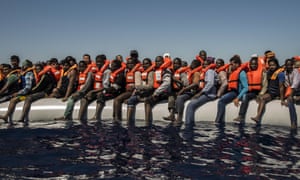
Refugees from Eritrea and other countries wait to be rescued from the Mediterranean Sea, north of Libya. Photograph: Santi Palacios/AP
Documents cited in the Guardian on Monday showing that the UK governmentdownplayed the risk of human rights abuses in Eritreain an attempt to reduce asylum-seeker numbers are the latest indication of Britain’s determination to reduce African immigration. But this is a Europe-wide initiative, co-ordinated in Brussels.
WithFrench, German, Dutch and Italian elections later this year, there is intense pressure across the European Union to cut the flows of refugees and migrants across the Mediterranean. European plans to deal with the question have been veiled in secrecy, since they involve close cooperation with some of Africa’s most notorious dictatorships.
The German magazine Der Spiegel revealed a warning from the European commission that “under no circumstances” should the public learn what was said during talks held in March last year. A member of staff working forFederica Mogherini, the EU high representative for foreign affairs, warned of the risk to Europe’s reputation.
Plans are being formulated under arrangements agreed between theEU and African leaders in Maltain November 2015. These called for close cooperation between European security services and those of African states. Among those around the table at Valletta were representatives of repressive regimes in Sudan (whose president,Omar al-Bashir, is wanted by the International Criminal Court for war crimes) and Eritrea, which has been accused of crimes against humanity.
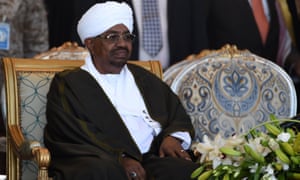
The Sudanese President, Omar al-Bashir, is wanted by the International Criminal Court for war crimes. Photograph: Fayez Nureldine/AFP/Getty Images
European civil servants are fully aware of just how dangerous these proposals are, and the document includes in a list of risks the possibility that resources and equipment could be diverted “for repressive aims”.
The Sudanese authorities have already begun what is technically termedrefoulementof Eritreans – the forcible return of asylum seekers to a country where they are liable to be subjected to persecution. In May last year hundreds were arrested in Khartoum and returned to Eritrea.
Eritrean human rights organisations suggest this process has continued.Refugeesin the Sudanese capital are fearful of leaving their homes, afraid they will be picked up by the authorities.
In Europe, these efforts are paying off: the number of people arriving from Africa is falling. The latest statistics fromFrontex– the EU-wide border agency – show that two routes have almost been sealed. There is next to no transit by sea from west Africa through the Canary Islands, and only a limited number of people arriving in Spain via the Spanish enclaves of Ceuta and Melilla. A total of 2,162 Africans made it to Spain in the second quarter of 2016.
The second route, via the Sinai and Israel, has effectively ended. A hi-tech system of fences and detection devices, constructed by Israel in December 2013, sealed the border.
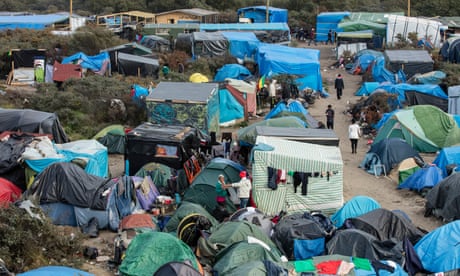
This leaves available to Africans just the central Mediterranean route through Libya and, to a lesser extent, Egypt. It was used by 51,450 people in the second quarter of 2016. But the EU is now attempting to cut this final route intoEurope. Earlier this month Italy’s interior minister, Marco Minniti, was dispatched to Tripoli to broker an agreement with Fayez al-Sarraj, head of Libya’s UN-backed government of national accord, on fighting irregular migration through the country.
Minniti and Sarraj agreed to reinforce cooperation on security, the fight against terrorism and human trafficking. “There is a new impulse here — we are moving as pioneers,” Mario Giro, Italy’s deputy foreign minister, told the Financial Times. “But there is a lot of work to do, becauseLibyastill doesn’t yet have the capacity to manage the flows, and the country is still divided.”
Such initiatives are developing rapidly, with civil servants using aid and security co-operation to crack down on this African exodus. And while we can all recognise the domestic, political pressures that EU governments face, and which are leading them to seek to halt the flow of migrants across their borders, we must also recognise that those affected are some of the most vulnerable people from some of the most repressive countries in Africa. There must be a legal route for refugees to escape persecution.

ጋዜጣዊ መግለጺ መሃዘ/ሰደህኤ
ኤርትራዊ ልኡኽ ተሓላቒ ደሞክራሲ ብ23ን 24ን ጥሪ 2017 ኣብ ጀነቫ ምስ ላዕለዎት ሓለፍቲ ላዕለዋይ ኮሚሽነር ጉዳይ ሰብኣዊ መሰልን፡ ላዕልዋይ ኮሚሽነር ጉዳይ ስደተኛታትን ተራኺቡ። እቲ ልኡኽ ኣንበሳድር ዓንደብርሃን ወልደጊዮርጊስ ኣባል ቦርድ መድረኽ ንሃገራዊ ዘተን ኤሪ- መድረኽን ኣቶ ወልደየሱስ ዓማር ሓላፊ ቤት ጽሕፈት ወጻኢ ዝምድናታት ሰደህኤን ዝርከብዎ እዩ።
ኣብዚ ዝተኻየደ ኣገዳሲ ርክብ ዝተላዕሉ ዛዕባታት፡ ኩነታት ሰብኣዊ መሰል ኤርትራውያን፡ ኤርትራውያን ሃገሮም ክለቁ ዝድርኹ ዘለዉ ረቛሒታት፡ መንእሰያት ኤርትራ ሃገሮም ራሕሪሖም ናብ ጐረባብቲ ሃገራት ዝውሕዝሉ ዘለዉ ጠንቅታት፡ ኩነታት ኤርትራውያን መንእሰያት ኣብ መደበር ስደተኛታትን ጉዳይ ዘይሕጋዊ ምስግጋር ሰባትን፡ ግደ እዚ ጉዳይ ዝምልከቶም ኣካላት ሕቡራት ሃገራትን ዝጽበዮ ግደታን ብመንጽር ዓለም ለኻዊ ሕግታት። ከምኡ እውን ሓላፍነት ናይተን ስደተኛታት ዝዓርፉለን ሃገራትን ከዳልዋሎም ዝግበኣን መዕረፊ፡ ክህባኦም ዝግበአን ውሕስነትን ናይ ምንባርን መነባብረኦም ዝመርሕሉ ኣታዊ ዝረኽብሉ ናይ ስራሕ ዕድላት ዝብሉ እዮም።
እቶም ሓለፍቲ ሕቡራት ሃገራት ብወገኖም ነዚ ኤርትራዊ ልኡኽ ብዛዕባቲ፡ ላዕለዎት ኪሚሽነራት ሰብኣዊ መሰልን ጉዳይ ስደተኛታትን ምስ መንግስቲ ኤርትራ ዘገብርዎ፡ ንምምሕያሽ ኣተሓሕዛ ሰብኣዊ መሰላት ኣብ ኤርትራ ዝምልከት ርክባት መብርሂ ሂበምዎም። ምስዚ ኣተሓሒዞም እቶም ሓለፍቲ ርኢቶኦም ኣብ እዋናዊ ኣድማሳዊ ገምጋም፡ መንግስቲ ኤርትራ በቲ ዝኣተዎ ቃል ከም ዘይጸነዐን ብሓፈሻ ከኣ ኣብ ኣተሓሕዛ ሰብኣዊ መሰል እዚ ዝበሃል ኣውንታዊ ውጽኢት ከም ዘየመዝገብ ገሊጸምሉ።
ኣቲ ኤርትራዊ ልኡኽ ተሓላቒ ደሞክራሲ፡ ነቲ መብርሂ ምስ ሰምዐ ኣብ ኤርትራ በቲ ስርዓት ካብ ዝፍጸሙ ዘለዉ በደላት እቶም ቀንዲቀንዲ ኣምዝጊቡ። ካብቶም ዝጠቐስዎም፡ ሜላውን ሰፊሕን ግህሰት ሰብኣዊ መሰል፡ ደረት ዘየብሉን ብዘይክፍሊት ዝካየድን ግዱድ ኣገልግሎት፡ ንሕስያ ዘየብሉ ፖለቲካዊ ጭቆና፡ ምንፋግ ንቡር ስድራቤታዊ መነባብሮን ስሩዕ ትምህርትን ከምኡ እውን ሕሱም ቁጠባዊ ድኽነት።
ኣብዚ ርክብ ሓለፍቲ ላዕለዋይ ኮሚሽነር ሰብኣዊ መሰል፡ ኣብ ኤርትራ ዘሎ ኩነታት ሰብኣዊ መሰል ንምምሕያሽ ኩሉ ዝኽእልዎ ክገብሩ ድልዋት ምዃኖም ቃል ኣትዮም። ኣተሓሒዞም ከኣ ኤርትራውያን ጉዳዮም ኣብ ምዕራይ መሪሕ ግደ ክሕዙ ከም ዝግበኦም ኣዘኻኺሮም። ኤርትራውያን ዕዉት ውጽኢት ከመዝግቡ ዘለዎም ተስፋ ከኣ ገሊጾም። ሓለፍቲ ላዕለዋይ ኮሚሽነር ጉዳይ ስደተኛታት በገኖም ኣብ ወጻኢ ዝነብሩ ኤርትራውያን ነቲ ኣብ ልዕሊ ወገናቶም ስደተኛታት ዝወርድ ዘሎ ጸገም ኣብ ምፍታሕ ክሳተፉ ዘለዎም ተስፋ ጠቒሶም።
ኣብ መወዳእታ፡ ኩነታት ሰብኣዊ መሰል ኣብ ኤርትራ፡ ኩነታት ኤርትራውያን ስደተኛታት ኣብ ዞባን መላእ ዓለምን፡ ከምኡ እውን ኩነታት ሰብኣዊ መሰልን ጉዳይ ስደተኛታትን ብሓፈሻ ኣብ ኩሉ ኩርነዓት ብፍላይ ድማ ኣብ ጐረባብቲ ሃገራት ንምምሕያሽ ዘኽእሉ ናይ ሓባር ረቛሕታት ንምርካብ፡ ተራኺብካ ዘተን ምልውዋጥ ሓበሬታን ቀጻሊ ክኸውን ተሰማሚዖም።
More...
Understanding Eritrea: Inside Africa’s Most Repressive State, by Martin Plaut
Written by Joanna LewisA study of the North African country lays bare a ruler at war with his own people, says Joanna Lewis
January 26, 2017
· By Joanna Lewis
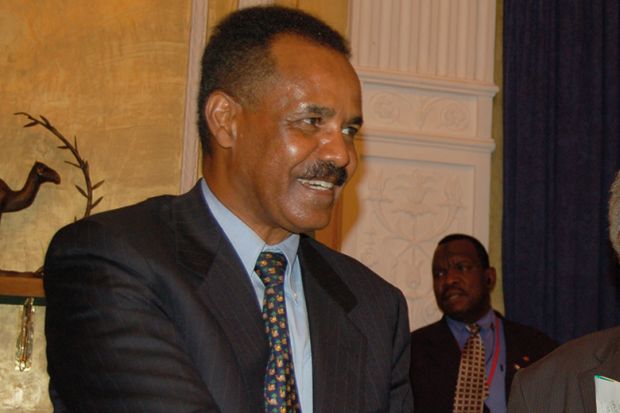
President Isaias Afewerki
Chairman of the State Council
Chairman of the Transitional National Assembly
C-in-c of the Armed Forces
Chancellor of Institutes of Higher Learning
Chairman of the PFDJ [the sole political party]
Vice-President – vacant since 2001
There have been no elections in Eritrea since 1993. Instead, as the above extract from Martin Plaut’s masterful account perfectly illustrates, this tiny state in North Africa is ruled by dictatorship. In 2015, a United Nations Commission of Inquiry concluded that Eritreans endure “systemic widespread and gross human rights violations” and “a total lack of the rule of law”.
“Eritrea was born a one party state”, as Plaut, an Institute of Commonwealth Studies scholar and former BBC World Service Africa editor, makes clear. After its independence from Ethiopia in 1993, the rot set in. Like many African nationalist movements forced to engage in military struggle to gain power, making the adjustment to civilian rule and accepting even a murmur of opposition or a flicker of criticism was just all too much. Eritrea’s long, bitter David and Goliath-like battle against Ethiopia marked its leadership with an especially strong sense of sacrifice and entitlement.
During the years of struggle, many outsiders saw the Eritrean People’s Liberation Front (EPLF) as a beacon of hope. I remember reading its upbeat pamphlets in the 1980s. It was committed to rejecting ethnic difference, promoting secular socialism and progressive attitudes to women. In 1993, women made up one-third of the EPLF fighters; rape was a capital offence.
How times change. Plaut’s extensive evidence shows how the regime’s repressive stance in power is a consequence of its ruler. Known simply as Isaias, Afewerki grew up in a poor district of Asmara. In the 1960s, he went to China. Schooled in Maoist ideology, he is, however, no fan of the personality cult. His official photograph may festoon shops and cafes, but he looks nice and normal. He prefers open-necked shirts, comfortable slacks and sandals. This is no mad, swivel-eyed Idi Amin-type figure, nor the psychotic school bully meets James Bond baddie look of Kim Jong-il; nor is there a sparse ginger ferret atop his head…
But make no mistake, the absence of journalists and a free press, and the emphatic presence of a network of prisons, detention centres and labour camps are the result of rule by an “austere and narcissistic dictator; thin-skinned and hot-headed”, according to a profile compiled by a recent US ambassador. He’s also vindictive. After independence, when demobilised soldiers complained that they’d not been paid for years, many were thrown into indefinite detention. So severe is the current repression that 5,000 Eritreans try to flee across the Sahel every month. Many risk their lives to escape military conscription, which for women can include sexual abuse. Isaias is still at war, but against his own people. Even the Eritrean diaspora cannot fully escape, bullied into paying an illicit 2 per cent tax to the regime, under the watchful eye of a network of spies and informants.
Plaut has put himself at some risk by writing this book. Mirjam van Reisen, a Dutch academic who criticised the regime, was physically threatened and abused on social media. The president’s so-called Youth Wing brought a lawsuit against her in the Netherlands, accusing her of libel and slander. The accusations were thrown out. Let’s hope that this regime and its cronies will be next.
Joanna Lewis is assistant professor of imperial and African history in the department of international history, London School of Economics, and author of Empire of Sentiment: David Livingstone and the Myth of Victorian Imperialism (in press).
Eritrean Activists Meet with UN Officials in Geneva
Written by NDF/EPDP Press Release
NDF/EPDP Press Release
A delegation of Eritrean pro-democracy activists met with senior officials in the Office of the United Nations High Commissioner for Human Rights (OHCHR) and the United Nations High Commissioner for Refugees (UNHCR) in Geneva on Monday and Tuesday, 23-24 January 2017. The delegation included Ambassador Andebrhan Welde Giorgis, Board member of the Forum for National Dialogue (FND) and Eri-Platform, and Mr. Woldeyesus Ammar, Head of Foreign Relations of the Eritrean People's Democratic Party (EPDP).
The extensive discussions centered on the prevailing human rights situation in Eritrea; the push and pull factors driving the continuous flight of Eritrean youth from the country; the plight of young refugees living in the squalor of refugee camps in Eritrea's neighbourhood; abuses and insecurity in the refugee camps and human trafficking; the role of the relevant UN agencies; and the obligation, under international humanitarian law, of the countries of destination in the region and the Global North to host and provide fleeing Eritreans due protection, including granting them residence and work permits to enable them earn their living pending changes conducive to their safe return home.
The UN officials briefed the Eritrean delegation on the state of play in the ongoing engagement of the OHCHR and the UNHCR with the Government of Eritrea aimed to improve the human rights situation in Eritrea. They shared their perspectives regarding the status of the Universal Periodic Review (UPR), the failure of the government to act on its pledges and the general lack of real progress and tangible improvement in the human rights situation of the Eritrean people.
In turn, the Eritrean pro-democracy delegation underscored the primacy of the push factors: the systematic and widespread abuses of basic human rights with impunity; indefinite active national service without due remuneration; the state of harsh political repression; the denial of the opportunity for normal family life and proper education; and severe economic hardship.
The OHCHR officials expressed their readiness to do all they can to help improve the human rights situation of the Eritrean people. At the same time, they urged Eritreans to take a leading role towards addressing their own problems. The officials hoped that Eritreans would undertake a more effective advocacy work. The UNHCR officials also expressed hope that Eritreans in the diaspora would engage more actively to play their part in helping address the refugee problem affecting their own people.
In conclusion, it was agreed to continue the discussions and exchange information on the human rights situation in Eritrea, the condition of Eritrean refugees in the region and elsewhere in the world, and explore areas of cooperation to improve respect for human rights in Eritrea and the lot of Eritrean refugees, especially in the country’s immediate neighbours.

ኣብ ፍራንክፎርትን ከባቢኣን ዝርከብ ጨንፈር ሰዲህኤ ንሓድሽ ዓመት ብሓዱሽ ናይ ቃልሲ መንፈስን ናህርን ንምግጣም ብዕለት 22.01.2017 ስሩዕ ወርሓዊ ኣኼባኡ ጀሚሩ። ኣኼባ ሰዓት 13፡00 ዝጀመረ ምምሕዳራዊ ጉዳያት ድሕሪ ምፍጻሙ፣ ኣቦ-መንበር ጨንፈር ብጻይ ታደሰ ኣስመላሽ ንዝኽሪ ናይቶም ኣብ ዝሓለፈ ቀዳም ዕለት 14.01.2017 ኣብ ባሕሪ ዝጠሓሉ ስደተኛታት ንገለ ደቓይቕ ደውታ ክፍጸም ምሕባሩ እዩ ተኸፊቱ።
ቀጺሉ፡ ሽማግለ ጨንፈር፡ እዚ ኣኼባ‘ዚ ዓመተ 2016 ተወዲኡ ናይ ዓመተ 2017 ናይ መጀመርያ ኣኼባ ብምዃኑ፡ ተኣትዩ ዘሎ ዓመት፡ ዓመተ ራህዋን ዓወትን ክንቅይሮ ኣበርቲዕና ክንቃለስ ከም ዘሎና ድሕሪ ምግላጽ፥ ኣብ ዓመተ 2016 ብህግደፍ እናከፍአ ክኸይድ ዝጸንሐ ፍጻሜታትን፡ ብኣንጻሩ ድማ ብደንበ ተቓውሞ ይኹን ብህዝብና ብጠቕላላ ዝተፈጸሙ ጸረ ስርዓት ህግደፍ ዝኾኑ ናይ ተቓውሞ ንጥፈታትን ስፍሕ ዝበለ መግለጺ ተዋሂቡ።
ስዒቡ፣ ኣብቲ ቀንዲ ንኣተሃላልዋ መንእሰያት ዝምልከት መዛረቢ ዛዕባን ኣብዚ ኣቲናዮ ዘለና ሓድሽ ዓመት 2017 ክቃለሱሉ ዘለዎም ጉዳያትን ብምእታው፤ ሰፊሕ ምይይጥ ተኻይዱ። እዚ ኣርእስቲ‘ዚ ከም ናይ ልዝብ ነጥቢ ኣብዝተላዕለሉ እዋን፡ ብዙሓት ካብ ተሳተፍቲ ኣኼባ ነዚ ኣብ ዝሓለፈ ሰሙን ዝተረኽበ ናይ ማእከላይ ባሕሪ ጥፍኣት ስደተኛታት፡ ቀንዲ ተሓታቲ ስርዓት ህግደፍ ምዃኑን፤ ንሕና ኣባላት ደምበ ተቃውሞ ብሓፈሻ፡ ብፍላይ ድማ መንእሰያት ኣብ‘ዚ ግዜ‘ዚ ካብ‘ዚ ኩሉ ዘጋጥም ዘሎ ሓደጋታት ወጺእና ኣብ ውሑስ ቦታ በጺሕና፡ ንዝተኣስሩን ዝጠፍኡን መንእሰያት ኣሓትናን ኣሕዋትናን መታዓብይትናን ከይረሳዕና፡ ኣፍ ክንኮኖም ይግበኣና ዝብል ርእይቶታት እዮም ሂቦም። ወለድና ዘጽንሕዎ ቃልሲ ብምቕጻልን ብምትካእን ከኣ፡ ኣብ ኤርትራ ሕግን ሰላምን ተረጋጊጹ መሰል ኩሉ ዜጋ ዝሕለወሉ ስርዓተ መንግስቲ ክሳብ ዝረጋገጽ ብትሪ ክንቃለስ ኢና ዝብል መልእኽቲ ኣመሓላሊፎም።
ነዚ ንምዕዋት ድማ፡ ንሕና ንህግደፍ ብኣተሓሳስባ ክንስዕሮ ምእንቲ፡ ዝማዕበለን ዝነቕሐን መንእሰይ ክህልዉና ስለዝግባእ፤ ክንምሃርን ክንፈልጥን እዩ ዘለና። ካድራትና‘ውን ንመንእሰያትና ብፖለቲካ ከዕጥቕዎም ብርቱዕ ተወፋይነትን ጻዕርን ይሓቶም ኣሎ። ብቀንዱ ግን፡ ንሕና መንእሰያት ኣብ ዓዲ ትምህርትን ዓዲ ምዕብልናን ስለ ዘሎና፣ ነፍስና ኣብ ምምዕባል እምበር፡ ግዜና ኣብ ከንቱ ከይነሕልፍ ክንጥንቀቕ የድልየና። ነቶም ኣብ ደምበ ህግደፍ ከይዶም ኩሉ‘ቲ ህግደፍ ዝጠልቦ እናኣማልኡ ተወሳኺ ሓይሊ ዝኮኑዎ ዘለዉ መንእሰያት እውን ከይተነጻጸግና ከነረድኦምን ብትሪ ክንምክቶም እዩ ዘለና። ኣብ ዓመተ 2017 ሓድሽ ሜላ ናይ ቃልስን ምጥርናፍን ውደባን ከነርኢ ኣሎና ብዝብል መንፈስ ናይ ቃልሲ ድልውነቶምን ጽንዓቶም ገሊጾም። በዚ ከኣ፡ ኣኼባ ብዝኽሪ ሰማእታት ተዓጽዩ።
Countries locked in conflict that no one can get to and help
Written by Megan Palin news.com.auTHEY are raped, tortured, beaten, shot and murdered but no one can help them.
Some of the world’s worst wars and conflicts are so dangerous that not even supplies or aid workers can get to the millions of citizens subjected to violence and other atrocities as they are trapped within them.
According to a new report by CARE International, many international horrors go under-reported and unnoticed because journalists and photographers are also unable to access the areas without extreme risk to their own lives.
Eritrea, the Democratic People’s Republic of Congo and the Democratic Republic of Korea are among several countries that can’t be reached by aid workers or media, according to CARE International.

Children scrape for food in the Democratic Republic of Congo.Source:Supplied
Little is known about Eritrea, a country almost completely cut off from the outside world.
Journalists and aid workers have no access to humanitarian data and many major aid organisations are not allowed to provide relief to affected people, according to the new report. According to UN estimates, about two million people are without adequate food supplies in the semi-arid country.
Ongoing conflict, slow economic growth and lifelong mandatory military service force many people to flee Eritrea.
The UN estimates that 5,000 Eritreans leave their country each month, many of them so desperate for a better life, they risk taking the perilous route across the Sahara and the
Mediterranean Sea. Eritreans constitute one of the largest groups of refugees in Europe and Africa.
Half of all children in Eritrea are stunted and cannot achieve their full mental and physical potential, because of acute malnutrition.
According to the CARE International report, Eritrea is home to one of the 10 most under-reported humanitarian crises of 2016’.
DEMOCRATIC PEOPLE’S REPUBLIC OF CONGO

It is extremely difficult for aid workers and journalists to get access to the Democratic Republic of Congo and help refugees.Source:Supplied
The report also reveals that reaching people in need in the Democratic People’s Republic of Congo is challenging as the security situation varies widely and certain areas are virtual ‘no-go’ zones for aid workers.
More than seven million people are in need of humanitarian assistance and struggling to survive amid violence, epidemics, malnutrition and natural disasters.
The country has been in a state of humanitarian crisis for more than two decades and the recent upsurge in violence in 2016 has left little hope for a peaceful transition in the near future.
Many children and adolescents living in the Democratic Republic Congo (DRC) know nothing but conflict after 20 years of war.
A toxic cocktail of constant fighting between numerous armed groups, droughts due to the El Niño climatic cycle and the influx of refugees from neighbouring countries such as Burundi, the Central African Republic and South Sudan have exacerbated the dire living conditions for many families.
DEMOCRATIC PEOPLE’S REPUBLIC OF KOREA / NORTH KOREA
According to CARE International, very few international organisations are allowed to provide relief in North Korea and international journalists are rarely granted access to report from inside the country.
“Very little information is available about the 18 million people — 70 per cent of the population — who do not have enough to eat,” the report read.
“Among them are more than two million children and pregnant and lactating women who are at risk of malnutrition, a severe threat to the survival of mothers and children under five.”
North Korea is prone to recurring disasters such as droughts, floods and storms. The previous two years were “abnormally dry, decreasing crop production by over 20 per cent from 2014
to 2015”. Typhoon Lionrock wreaked havoc in August, causing destructive floods and affected more than 600,000 people.


