Court gavel
27 March 2020

The door to justice has finally opened for Eritrean refugees who say they were subjected to inhumane treatment while working at a Canadian mine in their home country.

Eritrean refugees have found rare hope in a Canadian Supreme Court ruling allowing them to continue with a lawsuit against a Canadian mining company allegedly complicit in human rights abuses and forced labour in Eritrea.

"It was hard for me to believe at first," said Abraham, 32, an Eritrean refugee who requested to use a pseudonym to protect his identity. "I felt so happy when I heard the news."

Abraham is one of numerous Eritreans who are suing Nevsun Resources Ltd, a Canadian mining company based in British Columbia. It operates the Bisha zinc-copper mine in Eritrea, located about 150km from the capital Asmara.

The plaintiffs and their team of Canadian lawyers allege that Nevsun engaged two companies that deployed forced labour to construct the mine's infrastructure and facilities. These companies, they claim, were connected to the government and military in Eritrea and workers faced inhumane and cruel conditions while working on the site.

Nevsun had attempted to convince the courts to dismiss the lawsuit, which was initially filed in 2014 by three Eritrean men who had worked at the mine. But in February 2020, Canada's Supreme Court ruled that the lawsuit against Nevsun, in which it is accused of being complicit in crimes against humanity, slavery, forced labour and torture, can go forward to trial. The plaintiffs are demanding financial compensation from the company.

Joe Fiorante, a lawyer from the Vancouver-based firm Camp Fiorante Matthews Mogerman (CFM), which is part of the legal team, says the court's decision is "historic" and marks the first time a Canadian court has ruled that a corporation can be taken to trial over allegations of violating customary international law.

"It's a significant precedent that opens a path to a Canadian courthouse for any victims of human rights abuses in which a Canadian mining company was complicit," he said.

"It still doesn't feel real," said Abraham, who was forced to work at the Bisha mine for four years. "I used to believe that there was no justice in this world. But, after waiting for a very long time, justice is slowly coming and I feel really, really happy."

Forced labour

Nevsun operated the Bisha mine through its Eritrean subsidiary, the Bisha Share Mining Company (BMSC), after being granted a mining permit in 2008. Sixty percent of BMSC was owned by Nevsun and the Eritrean government owned 40% through the state-owned Eritrean National Mining Corporation (Enamco).

According to a 2013 Human Rights Watch report, Nevsun used Senet, a South African construction and engineering company, as its main contractor for the Bisha mining project. It was the first modern mining project in Eritrea and continues to mine copper, gold, silver and zinc. In 2018, Nevsun sold the project to the Zijin Mining Group, a Chinese company.

Nevsun and Senet contracted the Segen Construction Company to "build roads, staff housing and other secondary infrastructure" at the site, Human Rights Watch noted. Segen is owned by the People's Front for Democracy and Justice, Eritrea's ruling and only political party.

Nevsun had stated that the Eritrean government gave it no choice in the matter and it was "required" to engage Segen. At the time, Human Rights Watch found there was evidence that Segen "regularly exploits" Eritreans forced into serving in the country's national conscription programme, which the UN has called "enslavement".

While Eritrea's compulsory national service programme legally lasts 18 months, in reality many conscripts spend most of their working lives in the service and receive little pay. Conscripts who are caught attempting to escape their service "face imprisonment, torture, and other forms of human rights abuse", Human Rights Watch has stated.

Eritrea's national service is the nucleus of the country's oppressive system of control. Independent media is banned and dissent is met with imprisonment, torture and enforced disappearances. Hundreds of Eritreans risk their lives to flee the country each month. According to Human Rights Watch, at least 15% of the population has fled over the past two decades.

Despite these wide-scale human rights abuses, several small mining firms such as Nevsun have accepted mining and exploration licenses in Eritrea. Human Rights Watch warned several years ago that owing to the fact that conscripts are forced to work for companies owned or controlled by the government or military, "foreign investors in Eritrea's burgeoning minerals sector risk complicity in the system of coercion and abuse that the national service programme has become".

Laetitia Bader, a senior Africa researcher at Human Rights Watch, tells New Frame that her organisation's research had found "strong evidence" that a "significant portion" of the workforce at the Bisha mine were national service conscripts. According to Fiorante, Mereb Construction Company, owned by the Eritrean military, was brought into the project fold in 2009; the company also allegedly uses national conscripts on its projects.

Fiorante says since the case was filed, 50 more Eritreans have come forward and filed companion cases against Nevsun, alleging they too were forced to work at the mine as part of their national service.

'We were treated like animals'

Abraham, who worked at Bisha as a conscript from 2010 until 2014, described a nightmarish scene for New Frame. "It was a horrible life," he said. "We were always hungry and thirsty. We got very skinny. We were eating expired food and we had to drink dirty water."

Abraham says he was paid the equivalent of just $15 (about R260) a month and was forced to work long hours in temperatures that reached as high as 50℃. "We didn't get proper medicine and weren't provided protective equipment," he told New Frame. "We suffered a lot from illnesses like malaria, diarrhoea and skin and eye irritations. Our supervisors would only provide us basic pain medicine."

Conscripts claim they were forced to build the infrastructure, toilets and housing for the Canadian and South African workers at the site, whereas they were made to sleep on the ground outside, without a mattress. Abraham says armed Eritrean soldiers surrounded the mining area, ensuring that no conscript could escape.

"We were treated like animals," Abraham said. His voice paused for several moments as he repeatedly slapped his hand on his thigh, indicating his rising frustrations. "It was very difficult. There was no justice. I really don't like to remember it."

Six years later, Abraham still suffers from health complications owing to the working conditions at the mine, including issues with his eyesight from being forced to work under the sun for hours every day. He also continues to suffer from haemorrhoids due to stress and a prolonged low-fibre diet.

Included in the Human Rights Watch report are details from interviews with two former national conscripts who had worked at the mine and later fled the country. One of them had been kept in national service for 13 years. They told the rights group that those who tried to leave the mining area were "severely punished".

Abraham alleges that the Canadian and South African workers at the site, who were employed as managers, engineers and supervisors, among other positions, were aware of the use of national conscripts and took part in abuses. "They treated us very badly. They were always shouting at us and demanding that we work faster," he said.

He stopped and took a deep breath before continuing: "It was very bad. They knew we were conscripts, but they kept silent and ignored it because they were there for their business and they knew we had no way of standing up for ourselves. Those white people, they cared only about their business. They didn't care about us at all."

Nevsun released a statement following the Supreme Court ruling in which the company wrote that it "denies the allegations made by all of the plaintiffs and intends to vigorously defend itself in court".

'Always fear for your life'

Sunridge Gold, another Canadian company, operated the Asmara Mining Share Company, partnering with Enamco, the state-run company, to mine precious metals in Eritrea.

When New Frame asked the company for comment, a former employee said it had been sold to a state-owned Chinese company several years ago and dissolved itself as a corporation. "It is no longer relevant to your article and there is no one able to speak for this corporation that no longer exists," the individual said.

Australia's South Boulder Mines still operates a mine in Eritrea; in 2015 the firm changed its name to Danakali Ltd. It operates the Colluli project, which mines potash in the Danakil Depression region. Colluli is a joint venture that is 50% owned by Danakali and 50% by Enamco. New Frame also asked Danakali for comment but did not receive a response.

Thus far, Fiorante says, he has not encountered conscripts who had worked at the Sunridge or Danakali sites. "But that doesn't mean that with the attention this case is getting now that people won't come forward and find us," he said. "The challenge in this case is that in order for the victims to seek justice they would have to flee Eritrea, and only then might they be in a position to come forward with a case."

But, he added, "I think they [Sunridge and Danakali] should be concerned about this precedent."

Elizabeth Chyrum, a United Kingdom-born Eritrean activist and founder of Human Rights Concern Eritrea, which had helped refugees to connect with the Canadian lawyers, says that while the court's decision is important for all vulnerable individuals who have been abused by Canadian mining companies abroad, it has provided a rare feeling of hope for Eritreans in the diaspora.

"For people who have no legal avenues to get justice and have been denied basic human rights for their whole lives, this is a major accomplishment," she said.

Another plaintiff, who resides in Europe, was too fearful to speak to New Frame, even when assured his identity would be hidden. Eritrean activists are often targeted by the government and pro-regime supporters for their activities abroad, and some have been threatened, harassed and assaulted.

Although Abraham, who fled Eritrea in 2014 and now lives elsewhere in Africa, is clearly concerned for his personal safety, even requesting that New Frame deletes the WhatsApp chat and his number following the interview, he is pushing past his fears in hopes of obtaining justice.

"To be an Eritrean means that you always fear for your life," Abraham said. "But the truth cannot hide forever. It will eventually come out. Even if we have to wait for a long time, we hope that we will be compensated because we deserve justice, just like everyone else."

Source=https://allafrica.com/stories/202003270595.html

ቤት ትምህርቲ ወዲ ሸሪፋይ ናይ 2019-2020 ዓመተ-ትምህርቲ ኣብ ክፍላ ወርሒ መጋቢት ብምዝዛም ተምሃሮኣን መማህራናን ናብ ዕረፍቲ ኣፋንያ። ሎምዘበን ብሰንኪ እቲ ህይወት ሰብ ዝቐዝፍ ዘሎ ተላጋቢ ሕማም ኮሮና ቫይሩስ ኮቪድ 19፤ እቲ ኣጋይሽ፡ ወለድን ቤተ-ሰብን ዓዲምካ ዝኽበር ዝነበረ ናይ ኣተዓጻጽዋ ቤት ትምህርቲ ልምዲ፡ ክትግበር ኣይተኻእለን። እዚ ንክንክን ጥዕና ተመሃሮን ኩሎም ተዋሳእትን ዝዓለመ ውሕሉል ስጕምቲ ኰይኑ ኣብ’ዚ ግዜ’ዚ ንናይ ሕማም ኮሮና ዝርገሐ ንምግታእ ዝሕግዝ ሕክምናዊ ስጕምቲ ጥራይ ዘይኰነስ ሕጋዊ ግዴታ’ውን እዩ።

እዚ ዝሓለፈ ትምህርታዊ ዓመት ብሕማም ቫይሩስ ኮቪድ 19 ጥራይ ዘይኰነስ በቲ ኣብ ሱዳን ዘጋጠመ ፖለቲካዊ ቅልውላዋት ዘስዓቦ ጸጥታዊ ኵነታት እውን ስለ ዝተጸልወ፣ ብዙሕ ናይ ስሩዕ ትምህርቲ ምቁራጽ ዝተራእየሉ ዓመት እዩ ኔሩ። ይኹን’ምበር መማህራን ቤት ትምህርቲ ወዲ ሸሪፋይ ብዘርኣይዎ ትግሃትን ተወፋይነትን፣ ነቲ ዝተቛረጸ ግዜ ካብ ግዜ ዕረፍቶም ብምትካእ፣ ነቲ ምዱብ ዓመታዊ ትምህርቲ ኣብ እዋኑ ከም ዝውዳእ ገይሮም እዮም።

ቤት ምህርቲ ወዲ ሸሪፋይ ነዚ ዝሓለፈ ዓመተ-ትምህርቲ 696 ደቂ ኣንስትዮን ደቂ ተባዕትዮን ተመሃሮ ብምምዝጋብ እያ ጀሚራቶ። ብዝተፈላለየ ምኽንያታት ማለት ጸጥታዊ ምኽንያታትን ሕማማትን ገሊኦም ድማ ዓዲ ብምቕያርን ብተደጋጋሚ ግዜ ትምህርቲ ይቋረጽ ሰለዝነበረ ኣብ ጕዕዞ ሓያለ ተማሃሮ ጐዲሎምና እዮም። እቲ ብዕለት 15 መጋቢት ዝተዓጽወ ቤት ትምህርቲ፣ ኣብ ናይ መጨረሻ መርመራ ዝተሳተፉ 580 ኰይኖም ካብኣቶም 525 ተመሃሮ መሕለፊ ነጥቢ ከምጽኡ ከልዉ 55 ግን ትሕተ-መሕለፊ ነጥቢ እዮም ረኺቦም።

ሎሚ ዓመት ማሕበር ደቀ ኣንስትዮ ኤርትራ ብብጸይቲ ኣልጋነሽ ኢሳቅ ኣቢለን ዝሰደዶኦ ሓጋዝ ገንዘብ ንልዕሊ 200 ደቂ ኣንስትዮ ዝዀና ተመሃሮ ቤት ትምህርቲ ወደ ሸሪፋይ ኣብዚ ዓመት 2 ግዜ ናይ ሸሹድሽተ ኣዋርሕ ዝኽውን ሞዴስ ተዓዲለን።

Wed Sherifay School 2020 2

ኣቤል ገብረየሱስ ዝብሃል ኣብ ካናዳ ዝቕመጥ ኤርትራዊ፣ ብሓው ትኩእ ተስፋይ ኣቢሉ ንቤት ትምህርቲ ወደ ሸሪፋይ 20 ካርቶን ዘወፈዮ ጥራውዝትን ቢሮታትን ንተምሃሮ ተዓዲሉ።

ዓብደላ ማሕሙድ ሳልሕ ዝስሙ ኣብ ኣውስትራልያ ዝነብር ኤርትራዊ ድማ፣ ኣሕዋት ኣሕመድ ማሕሙድ ስሩርን ኣንዋር ዓብዱን ብዝሓበሩዎ መሰረት ናብ ቤት ትምህርትና ብምምጽእ ብሓንቲ ኢርትራዊት ማሕበር   منظمة صابرين لشؤون الانسا نية كسلا ( Sabrin organization for humanitarian Affairs ) ንሶም ዝውክልዎ ኣቢሉ 24 ካርቶን ጥራውዝቲ፡ 5 ኰዓሳሱ እግሪ፡ ናይ ጂኦመትሪ መሳሪሕታት፡ ካልእ ናይ ትምህርቲ ናውትን ናይ ብልጫ ሽልማትን ኣወፍዩ። ከምኡ’ውን ንነፍስወከፍ ምምህር ሓደ ሸሕ (1000) ጂኔ ሱዳን ሓገዝ ሂቡ።

Wed Sherifay School 2020 3

ኣብ መጨረሻ እቲ ብንፋስን ካልእ ባህርያዊ ኵነታትን ዓንዩ ወይ ተበላሽዩ ዝጸንሐ ክፍልታት ድሕሪ ምዕጻው ትምህርቲ ንምጽጋኑ ኣብ ምጅማር ንርከብ። ብመሰረት ትእዛዝ ሚንስትሪ ትምህርቲ ሱዳን፣ ደቂ ተባዕትዮን ደቂ ኣንስትዮን ኣብ ሓደ ክፍሊ ክመሃሩ ስለ ዘይብሎም፣ መጠነኛ ወይ ዓቕምና ዘፍቅዶ ንኽልቲኦም ጾታታት ተመሃሮ ዝፈሊ ክፍልታት ኣብ ምትግባር ተጸሚድና ኣሎና።

ኣብ መጨረሻ ንመማህራንን ተመሃሮን ኣብ ዝተፈላለየ ክፍሊ ዓለማት ዝርከቡ ኤርትራውያን መሓዙት ቤት ትምህርቲ ወዲ ሸሪፋይን ብአባ ግብራይ እትመሓደር ካቶሊካዊት ቤት ትምህርትን፣ ብፍላይ ከኣ ንመዋሊት ቤት ትምህርትና ዝዀነት ኣብ ስዊዘርላንድ ዝመደበራ ማሕበር ስዊዝ ንህጻናት ኤርትራ (Association Suisse Enfance-Erythrée (ASEE)) ዕዙዝ ምስጋናና ነቕርብ።

ኢድሪስ እስማዒል፡ ኣምሓዳሪ ቤት ትምህርቲ ወድ ሸሪፈይ

Thursday, 26 March 2020 21:06

Radio Dimtsi Harnnet Kassel 26.03.2020

Written by
Jamal Khashoggi
 
Saudi journalist Jamal Khashoggi is seen in Istanbul, Turkey on May 6, 2018.
Omar Shagaleh—Anadolu Agency/Getty
 
March 25, 2020 5:45 AM EDT

(ANKARA, Turkey) — Turkish prosecutors have filed an indictment against 20 Saudi nationals over the 2018 killing of Washington Post columnist Jamal Khashoggi, Turkish media reports said Wednesday.

The private DHA news agency said the Istanbul chief prosecutor’s office completed its investigation into the killing and charged 18 Saudi nationals with “deliberate murder” and two others with instigating murder. Other details of the indictment were not immediately available.

All suspects in the killing have left Turkey and Saudi Arabia has put 11 people on trial over the murder.

Khashoggi’s grisly slaying by Saudi agents in the kingdom’s Consulate in Istanbul drew international condemnation and cast a cloud of suspicion over Saudi Crown Prince Mohammed bin Salman.

 
Khashoggi, who was a resident of the U.S., had walked into his country’s consulate on Oct. 2, 2018, for an appointment to pick up documents that would allow him to marry. He never walked out, and his body has not been found.
 
Source=https://time.com/5809525/turkey-jamal-khashoggi-indictment/

March 25, 2020 Ethiopia, News

Source: Lord Alton

Telephone Meeting With Mr. Julian Reilly, United Kingdom Special Envoy for the Horn of Africa and the Red Sea. Take action to help the 18,000 Hitsats refugees threatened by removal and by exposure to Coronavirus.

Julian Reilly1

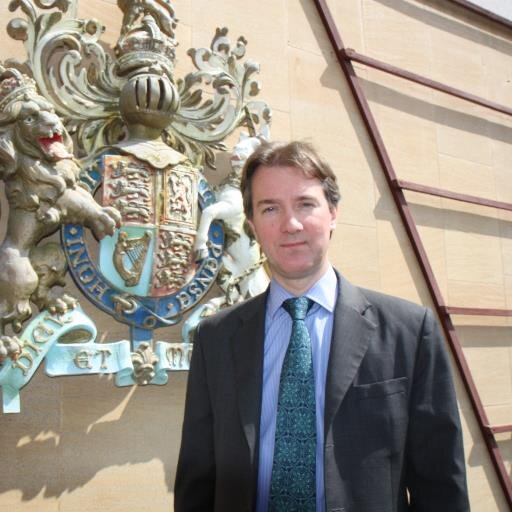
During a Telephone Meeting this morning with Mr. Julian Reilly, United Kingdom Special Envoy for the Horn of Africa and the Red Sea – also attended by telephone link by the Earl of Sandwich and Harriet Baldwin MP –  I raised the plight of 18,000 Eritrean refugees in Ethiopia who are being removed from the refugee camp at Hitsats.

Their displacement is not only in breach of World Health Organisation guidelines about the danger of spreading Coronavirus it also compromises Ethiopia’s duties towards vulnerable refugees. 

You can help by sending and sharing the open letter, organised by Eritrea Focus,  to the Ethiopian Government (see the link below).

During the meeting, Mr.Reilly discussed the challenge posed by Coronavirus to the region, the importance of ending conflict and promoting sustainable development, the damage to crops from locusts, planned elections, the role of other countries within the Region, the challenges posed by dam construction, and the  reconciliation initiatives between Eritrea and Ethiopia and within South Sudan.  

Ethiopia: Open Letter On Closing Refugee Camps For 18,000 Eritreans 

18,000 Eritrean refugees imminently at risk because the Ethiopian Government has ceased to apply, as of right, refugee status to Eritreans. The Hitsats refugee camp, holding 18,000 Eritrean refugees, is to be closed and refugees relocated to a camp that has no infrastructure and is already overcrowded.

Exposure to Coronavirus

We are sharing this open letter to the President of Ethiopia

urging the Ethiopian Government to reconsider its plans for this relocation of Hitsats refugees since we believe that such a move will be contrary to the WHO guidelines and efforts to contain the spread of the Coronavirus virus and will expose both refugees and host populations to unnecessary risk of contagion.

We encourage you to share this letter as widely as possible, distribute it via your networks and encourage institutions, MPs, and leaders to take this matter up and help us advocate to protect the refugees.

click on this link for the letter:

Open Letter to the Ethiopian Government

Please share and act!

For more information and news see here

Thank you.  https://eritrea-focus.org/ 

ኣብዚ እዋንዚ  ኮቪን-19 ኮሮናቫይረስ ብደረጃ ትካል ጥዕና ዓለም ዝለዓለ ደረጃ “ዓለም ለኻዊ ተላባዒ” ካብ ዝበሃል ንነጀው ናይ ኩልና ኣጀንዳ ኮይኑ ዘሎ ዛዕባ እዩ። ዋላኳ ኣብ ቅድሚ መላእ ዓለም ኣዛራቢ ተላባዒ ሕማም ክፍጠር እዚ ናይ መጀመርታ እንተዘይኮነ፡ ከም ኮሮና ብሓንሳብ ዓለም ዘንቀጥቀጠን ዘናወጸን ኣየጋጠመን ዝብሉ ብዙሓት እዮም። እዚ ዝኾነሉ ምኽንያት ከኣ፡ ምጣነ-ሃብታውን ካልእ መወዳደሪ መዳያትን ገዲፍካ፡ ከም ፍጡር ሰብ ህልውና ኣብ ሓደጋ ዘእተወ ብምዃኑ እዩ። ዳይረክተር ትካል ጥዕና ዓለም ኢትዮጵያዊ ዶ/ር ቴዎድሮስ ኣድሓኖም ብ23 መጋቢት 2020 “ንመጀምርያ ግዜ ሓደ ሰብ ብሕማም ኮሮናቫይረስ ከም ዝተታሕዘ ጸብጻብ ምስ ቀረበ፡ እቲ ቁጽሪ 100 ሺሕ ንክበጽሕ 67 መዓልታት ወሲድሉ። እቶም ቀጺሎም በቲ ሕማም ዝተለኽፉ 100 ሺሕ ሰባት ኣብ 11 መዓልታት ተታዝሒዞም። ድሕሪኡ ዝተታሕዙ ካለኦት 100 ሺሕ ሰባት ከኣ ኣብ 4 መዓልታት ጥራይ እዮም ተለኺፎም።”  ዝበልዎ፡ እቲ ሕማም ክሳብ ክንደይ ግዜ ዘይህብ ቅልጡፍ ተላባዒ ምዃኑ የረድእ።

ብሰንክዚ ቀዛፊ፡ ዘይተጸበናዮ፡ ኣዝዩ ቅልጡፍ ተላባዒ ሕማም ብምዃኑ፡ ክንድዚ ሓሚሞም ክንድዚ ሞይቶም ኢልካ ኣሃዝ ክትጠቅስ ዕድል ዝህብ ኣይኮነን። ንኣብነት ክሳብ ንግሆ 24 መጋቢት 2020 ብዝሒ በዚ ሕማም ዝተታሕዙ ሰባት 378,912፡ ቁጽሪ ዝመቱ 16,515 ቁጽሪ ተታሒዞምስ ዝሓወዩ ከኣ 102,069 ነይሩ። እዚ ኣሃዝዚ እዚ ጽሑፍ ኣብ መርበብ ሓበሬታ ክሳብ ዝወጽእ ክሳብ ክንደይ ኣብ ተዓጻጻፊ ደረጃ በጺሕ ከም ዝኸውን ምግማት ኣየጽግምን። እዚ ሕማም ኣብ መዳይ ጥዕና ጥራይ ዘይኮነ፡ ብኹሉ ዕቤተን ኣብ ዝለዓለ ደረጃ ዝስረዓ፡ ኩሉ ክገብራ ከም ዝኽእላ እምነት ኣብ ዝተነብረለን ሃገራት በዓል፡ ቻይና፡ ኢጣልያ፡ ስፐይን፡ ሕቡራት መንግስታት ኣሜሪካን ካለኦትን ዝኸፈአ ጉድኣት ምውራዱ፡ ኣብ ልዕሊተን ንሃገርና ኤርትራ ወሲኽካ ናይዘን ኣቐዲምና ዝጠቐስናየን ሃገራት ኢድ ዝጽበያ፡ ቁጠባዊ ዓቕሚ፡  ምምሕዳራዊ ጽፈትን ዝርጋሐ ትሕተ ቅርጻን ዝጐድለን ወይ ዘየብለን ተጽዕኖኡ ክሳብ ክንደይ ምዃኑ ምግማት ኣየጸግምን። “ናይዚ ሕማም ፈውሲ እንታይ እዩ? መዓስ እዩኸ ዝምከት?” ኢልካ ሓቲትካ፡  መልሲ ዘይትረኽበሉ ምዃኑ ከኣ፡ ዝያዳ የሻቕል። እዚ ሕማምዚ ምስተመከተ እውን፡ ስንብራቱ ብቐሊሉ ከም ዘይሓዊ ድሮ ብዙሓት ኣርሒቖም ዝጥምቱ ክኢላታት ይግምቱ ኣለዉ።

ካብ ምልክታት ናይዚ ሕማም፡ ብርቱዕ ረስኒ፡ ደረቕ ሰዓል፡ ሕጽረት ትንፋስ ምዃኑ ብኽኢላታት ይንገረና ኣሎ። እዚ ምልክታት እዚ ናይ ካለኦት ምሳና ዝጸንሑ ሕማማት ምልክት እውን ስለ ዝኾነ ምልላዩ ኣጸጋሚ እዩ። መፈወሲኡ ክታበት፡ ከኒና ወይ መርፍእ ክሳብ ሕጂ ኣይተረኽበን። ኣብ ክንድኡ፡ ጽሬት ኣእዳው ምሕላው፡ ኣብ ሕድሕድካ ምርሕሓቕ፡ ኢድ ጨቢጥካ ሰላም ዘይምብህሃልን ከተህንጥስ እንከለኻ ኣፍንጫኻ ምኽዳንን ከም ዝኾኑ እውን ብፈላጣት ናይዚ ዛዕባ ይንገረና ኣሎ። እዚ ነቶም በእዳውካ ሰላም ምብህሃልን ምስዕዓምን፡ ሓቢርካ ምብላዕን ምስታይን፡ ሓቢርካ ምጉዓዝን ሓቢርካ ምጽላይን ኣካል ባህልናን እምነትናን ዝኾነ ክሳብ ክንደይ ምልማዱ ከም ዝኸብድ ምግማቱ ዘጸግም ኣይኮነን። ቁጠማዊ ዓቕምና ድኹም ምዃኑ እውን ኣብ ምትግባር እዚ መጠንቀቕታ ሓጋዚ ኣይኮነን።

እምበኣር ወያ፡ ኣብ ፖለቲካዊ ልዕልና፡ ቁጠባዊ ጸብለትነትን ማሕበራዊ ብልጫን ንምጭባጥ ክትወዳደር ዝጸንሐት ዓለምና፡ እነሆ ሎሚ ንብመለኣ ኣብ ዝምልከት ናይ ከም ፍጡር ምህላውን ዘይምህላውን ብደሆ የፋጥጠላ ኣሎ። ወዮ ከም ዋዛ፡ ንሓንሳብ “ግዜ 3ይ ውግእ ዓለም ከጋጥም እዩ፡” ወይ ድማ “ምጽኣት ዓለም ኣኺሉ እዩ፡” ክበሃል ዝጸንሐ “እዋእ ወዮ ዝተፈርሐስ ኮይኑ ግዲ” ኣብ ዝበሃለሉ ደረጃ በጺሕና ኣለና።

እዚ ጉዳይ ቫይረስ ኮሮና ማሕበራዊ ቀዛፍነቱ ከምዚ ንዕዘቦ ዘለና ኮይኑ፡ ፖለቲካዊ መልክዕ ክሕዝ ጀሚሩ ኣሎ። ንኣብነት መራሒ ኣሜሪካ ነዚ ሕማም ኣንጻር ኩሉ ዝተኸፍተ ዓለምለኻዊ ሓያል ውግእ ክነሱ፡ ናይ ቻይና ሕማም ቫይረስ ክብሎ ምፍታኑ እዚ ዛዕባዚውን ኣካል ናይቲ ክካየድ ዝጸንሐ ናይ ልዕልናኻ ምርግጋጽ ውድድር ይኸውን ኣሎ ዘስምዕ እዩ። ንሕና ኤርትራውያን በቲ ዘይምሕር ቫይረስ ህግዲፍ ክንሳቐ ዝጸናሕናን ካብዚ ስቓይዚ ክንወጽእ እንቃለስ ዘለናን ኢና። ብሰንክቲ ህግዲፋዊ ቫይርስ ከም ሃገርን ህዝብን ህልውናና ከይጠፍእ ስግኣት ጸኒሑና። ሎሚ ከኣ እነሆ ከምቲ፡ ድምጻዊ ነፍስሄር ኣብርሃም ኣፈወርቂ “ነቲ ሕማቕ ዝሓመቐ ኣለዎ” ዝበሎ፡ ካብ ሕማቕ ናብ ኣዝዩ ዝሓመቐ ተሰጋጊርና፡ ከም ህዝቢ ከይንበርስ ከም ኣካል ሕብረተሰብ ዓለም ኣብ ቅድሚ ሓደጋ ኣለና። ነቲ ንጭቆና ህግዲፋዊ ቫይረስ ሓንጐፋይ ኢልና ዘይተቐቢልናዮ፡ ንኮሮና እውን “ምስ ሰብካ መዓት ዳርጋ ገዓት” ኢልና ከይረዓምና ብዘለና ዓቕሚ ክንቃለሶ ይግበኣና።

እዚ ዘለናዮ ኩነታት ኣይኮነንዶ ንሕና ኣብ ኣዝዩ ዝተሓተ ደረጃ ዕቤትን ዘይርጉእ ኩነታትን እንርከብ፡ ነቶም “ኣብ ትሕቲ ኣምላኽ ከኣልቲ ኩሉ” ክበሃሉ ዝጸንሑ ኣካላት እውን ኣዋጢሩ ዘሎ እዩ። ኣብ ከምዚ ፈታኒ ኩነታት ክንገብሮ ዝግበኣና፡ እቶም ዝሓሸ ናይ ምምርማር ዓቕምን ኣፍልጦን ዘለዎም ኣካላት ዝህብዎ ምኽርን ምዕዶን ምቕባልን ምትግባርን እዩ። እቶም ብሰንኪ ገፋዒ ጉጅለ ህግዲፍ፡ ኣብ ሃገሮም ንህዝቦም ናይ ምግልጋል ዕድል ተነፊግዎም ፈቐድኡ ፋሕ ኢሎም ዘለዉ ኤርትራውያን ናይ ሕክምና ክኢላታት ከካብ ዘለዉዎ ኩርናዕ ንህዝብና በብቋንቋኡ ብምስትምሃር ዜግነታዊ ግቡኦም ክፍጽሙ ይግበኦም። ንሓ እውን ንጽወዖም። ኣብዚ ቀረባ ግዜ ኣብ ተለቪዥን ኣሰና ቀሪቦም ብዛዕባዚ መብርሂ ክህቡ ዝተዓዘብናዮም ኤርትራውያን ክኢላታት ተግባሮም ኣብነታዊ እዩ እሞ ንሳቶም ክቕጽልዎ፡ ካልኦት እውን ክስዕብዎ ዝግባእ እዩ። ካለኦት ኤርትራዊ ማዕከናት እውን ነቲ ኣብ ኤርትራ ዘሎ ብቐጥታ ሓበሬታ ንምርካብ ዘይተዓደለ ህዝብና ኣብ ምክትታሉ ክሰርሓ ይግበአን። ኤርትራውያን ኩልና ከኣ፡ ኣብ ክንዲ ተስፋ ምቑራጽ፡ እዚ ለበዳዚ ከምቶም ናይ ቅድሚ ሕጂ  ዝበልዑ በሊዖም ከም ዝሓልፉ ለበዳታት፡ ከም ዝሓልፍ ተስፋ ክንሰንቕ እምበር፡ ተስፋ ክንቆርጽ ኣይግበኣናን።

‘If I could, I’d go home to Eritrea tomorrow’

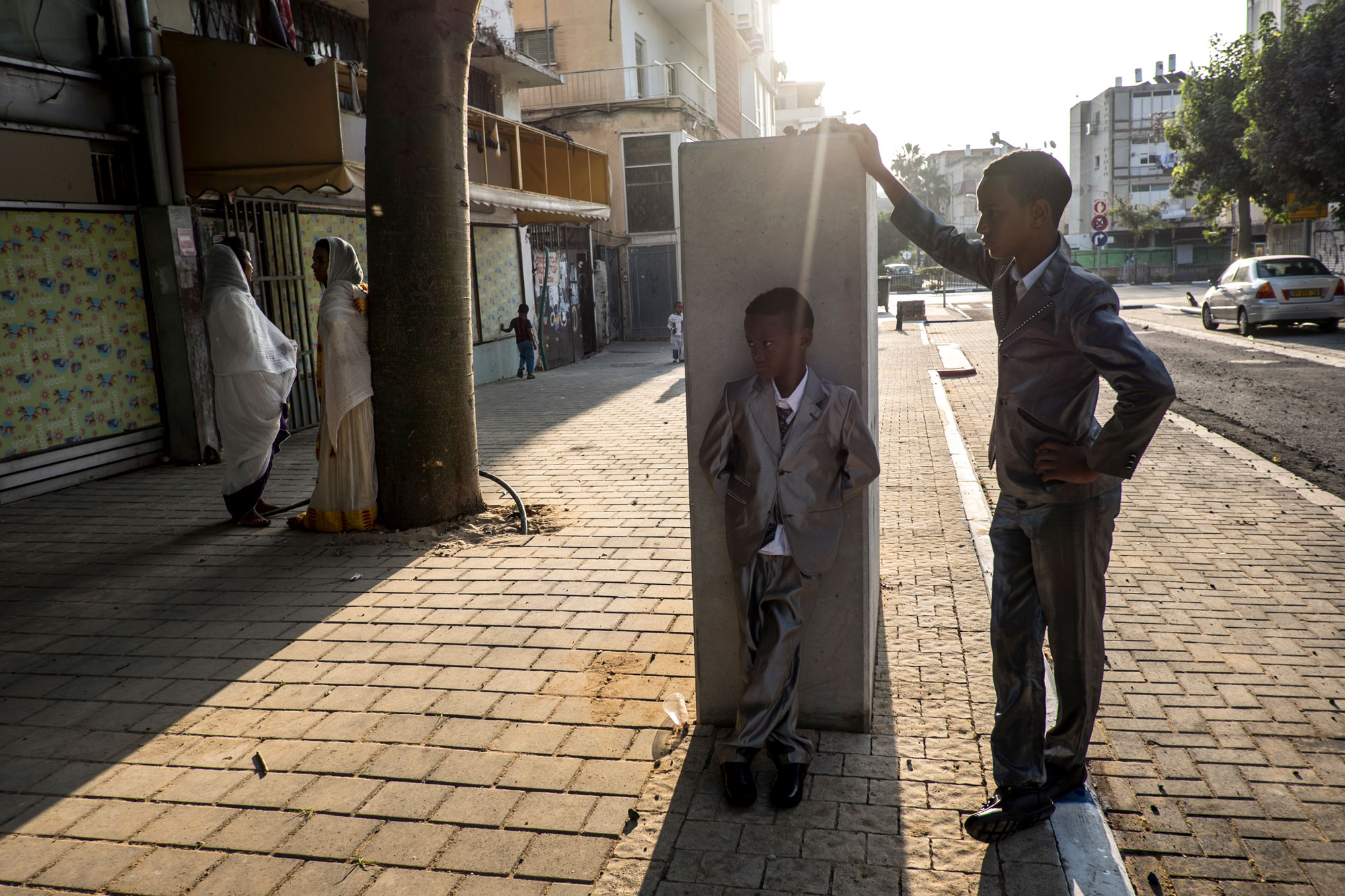
Two Eritrean boys stand outside a church in south Tel Aviv (source: PRI)

In the past fifteen years, tens of thousands of Africans, mostly from Eritrea and Sudan, have crossed into Israel. The majority of these people now live in south Tel Aviv.

Shapira, a traditionally blue-collar area, is one of the neighbourhoods they have ended up in. Hipsters have also begun to move into the area, complete with fixie bikes and yoga lessons. These newcomers have come into conflict with Shapira’s original inhabitants, most of whom are religious Jews from Uzbekistan, Turkey and Greece.

During the past twelve months, I interviewed people in Shapira to see how they wound up there and what they think of the things happening in the neighbourhood. Here’s what one man had to say.

Pizza dude, 29

How did I arrive in Shapira? I’m from Eritrea, you understand? Is your mic working ok? You can hear me?

Good. So, how did I arrive to to Shapira from Eritrea? Great question. I was in the army. From the age of thirteen, I was in the army. Yes, thirteen years-old. I was in a special part of the military, learning to be a fighter, a commando. I studied that for five years. 

In the army in Eritrea, there is no end. You are there and there is no end. All your life is in the army. So, I studied to be a soldier for five years in the army. I did everything that I was able to do, learnt everything that I was able to learn. I learnt how to be a commando, a fighter, all those sorts of things. 

I looked at my life, how I’d grown and how I was progressing. All my life was in the army, I hadn’t seen my parents, I hadn’t seen my family. I wanted to progress in my life. So I ran away from the army, escaped Eritrea and came to Israel.

The way that I escaped….I escaped in a way that wasn’t legal. Why? I escaped with my gun, with everything to Sudan. I went through Sudan to Egypt and from Egypt I came to Israel. So now I live here. I escaped when I was eighteen from Eritrea. I arrived in Israel a long time, in 2007. I can’t go back now to Eritrea. It wasn’t legal, you understand? I had my gun and all my stuff with me when I escaped. Here too, you don’t get what you need. Eritreans suffer in life.

How did I get here to Shapira in particular? Great question. When I arrived in Israel, first of all, I was in a prison in the desert, near to Beersheva. Then they brought us to a bus and gave us a ticket to the Central Bus Station in Tel Aviv. So you look around in this neighbourhood, you find a place to live and things like that. I lived here in this neighbourhood for 10 years already. 

I still don’t have anything [after 10 years]. In my life, I don’t have anything, you understand? This restaurant? No, it’s not mine. It’s someone else’s – it’s my cousin’s. The guy that owns the building, he’s a Sudanese man that got citizenship here. I don’t have citizenship or a residency permit. 

Listen, I’m not complaining about this neighbourhood. Everything is good here. Good people, everything’s ok. There are some racists that ask you questions. But what to do? We are suffering. 

You are wrong about there being conflicts between us and the Sudanese. You’re mistaken. There are problems between Eritreans and Eritreans. There are those against the [Eritrean] government. There are those that support the government. I hate the government. What good is there? It’s a dictatorship. 

Of course I miss Eritrea. If I could, I would go there right now. Today. No, I don’t prefer to live here. What is it to live here? It’s not better to live here. I don’t speak the language of the Jews, you understand? I speak the language but I don’t understand them, you understand? Everyone should be in the country that’s good for him. If the government in Eritrea changes, tomorrow morning I’ll go back there. 

What’s good in Israel? What’s better than Eritrea? Here there are democrats, there is democracy. You can say what you want. That’s what’s good in Israel. But it’s not my democracy, it’s for the Jewish people. Democracy here is for for the Jews, it’s not for us. We came to Israel, we applied for asylum but Israel doesn’t want to agree to that. Why? Because everyone here makes money. I’m here every day and it costs me money. Why? Because Israel takes a percentage of our money.

I have no problem with anyone. I have friends that are Arabs, that are Jews. There are some racists that hate blacks. There’s also racism from Arabs that don’t like blacks. But there are people here from every background. Ashkenazi, Yemenites, Mizrahim, Eritreans, Sudanese, Filipino – they all live here in Shapira. Why? Because life here is simple. I can’t live in a flat in Allenby [a street in central Tel Aviv], you understand? I can’t live in north Tel Aviv. I don’t have the money to pay 8,000 shekels a month in rent. Here, I can rent a room for 3,000 shekels. One room, it’s not good. But that’s why I live in this area.

Source=https://blogs.timesofisrael.com/if-i-could-id-go-home-to-eritrea-tomorrow/

Mar 22, 2020, 9:44 PM

African asylum seekers who had been detained at Saharonim prison, southern Israel, due to their refusal to leave Israel to a third country, seen being released from the prison. High Court ruled there is  no legal justification to keep them in detention. April 15, 2018. Photo by Hadas Parush/FLASH90 *** Local Caption *** îá÷ùé î÷ìè
ôìéèéí
African asylum seekers leaving the Saharonim prison in southern Israel (Hadas Parush/Flash90)

In the past 15 years, tens of thousands of Africans, mostly from Eritrea and Sudan, have crossed into Israel. The majority of these people now live in south Tel Aviv.

Shapira, a traditionally blue-collar area, is one of the neighbourhoods they have ended up in. Hipsters have also begun to move into the area, complete with fixie bikes and yoga lessons. These newcomers have come into conflict with Shapira’s original inhabitants, most of whom are religious Jews from Uzbekistan, Turkey and Greece.

During the past twelve months, I interviewed people in Shapira to see how they wound up there and what they think of the things happening in the neighbourhood. Here’s what one guy had to say.

A, 31 years-old

I left my house, my mum, my dad, when I was 14 years-old to join the army. But in the army in Eritrea, you don’t know when it’s going to end. There is no end. You can’t see your family, nothing. In Eritrea, there is no freedom. All the time, you are in the army. I was in the army in Eritrea for 8 years. Yes, eight years. It was enough. One day, after I had been with them for a year and three months, I came home on break and I decided to leave Eritrea. It was 2007 and that was it. 

I left and I went to Sudan and then to Libya. I was in Libya for three years and four months. I wanted to go to Europe but the way via the sea was closed. So I went to Egypt and then to Israel. Now, I’ve been in Israel for eight years. I came here in 2011.

When we came across the border, the Israeli army accepted us and gave us some food and water. After that, there are three places that I went to. The first place, I stayed there for only two days. The next place is a place called ‘Holot’ – in the desert – I was there for three months. After that, they give you a visa and you leave. I have a visa for two months, so I have to renew it every two months. All the Eritreans, they don’t have anything, no visa.

Shapira is a good place. There are lots of Eritreans here, so I have a lot of friends here. But I didn’t come here because of that. There was a problem with my house down the road, the landlord was raising the rent and making problems. So, I asked people in Shapira if there’s a flat near to here. And that’s it, that’s why I’m here.

I like living in Israel, but life here is a little hard. All the time, they are cursing Eritrea – and I’m Eritrean. All the time talking about Eritreans in a bad way. So that’s hard. 

There are Muslims and Christians from Eritrea here. We eat together, sit together. We’re friends. There are no problems, we just don’t marry. That’s it. The Sudanese, I don’t know them. I know them like I know you, just people in the street, that’s it. Yes, I also heard that there are problems between the Eritreans and Sudanese here in Israel but I didn’t see that.

Are there Eritreans in Israel that support the Eritrean government? No, just liars and cowards. There are people here that send money home to Eritrea. So the government there knows who is here and where their family is. So they tell them in some way, if you speak badly about the government in Israel, we’ll kill your family here in Eritrea. That’s it. So you hear people say this and that, it’s lies. It’s because they are afraid.

I don’t miss Eritrea because there is nothing there. If I can, I will continue to somewhere new, Europe or some place. There are a lot of Eritreans that moved to Canada. But if I go back to Africa, there will be a problem. Someone might kill me. Yes, if the government changes, I’ll go back. What do I have here? Nothing. No family, no parents. Here, you just go to work, come back, go to work, come back. That’s it. If you don’t do that, no one is going to help. You’ll have no home, no nothing. 

But there are some things here that are good. Here you can say what you like about the government and nothing will happen. In Eritrea, you aren’t able to do that.

Source=https://blogs.timesofisrael.com/in-eritrea-theres-no-freedom-only-the-army/

March 23, 2020 Ethiopia, News

Screenshot 2020-03-04 at 18.04.38

To:       H. E Dr Abiy Ahmed, Prime Minister of Ethiopia

Cc:        Director General ARRA

            Ethiopian Minister of Health

             African Union

             IGAD

             Resident Representative UNHCR – Ethiopia

             Delegation European Union to Ethiopia

             All Party Parliamentary Group (UK)

             Foreign & Commonwealth Offices (FCO)

             USA State Department

 Open Letter on the Closure of Hitsats Eritrean Refugee Camp in Ethiopia

We, appreciate and encourage your Government’s efforts towards forging lasting peace between Ethiopia and Eritrea. In particular we are thankful that Ethiopia has accepted and supported so many Eritrean Refugees and that, under your leadership, this welcome has continued to date.

We also value your parliament’s, January 2019, legislation that has given refugees the legal right to work, access primary education, obtain a driver’s licence, register births and marriages and open bank accounts. These actions have been significant and have assisted many Eritreans.

However, recent developments in Ethiopia in regard to Eritrean refugees are very concerning. We are troubled, by reports that: (i) your Government has ceased to apply as of right refugee status to Eritreans; (ii) Hitsats refugee camp, holding 18,000 Eritrean refugees, is to be closed; and (iii) refugees will be relocated to a camp that has no infrastructure and is already overcrowded.

Considering the global Coronavirus pandemic, we strongly urge your Government to reconsider plans for the relocations of Hitsats refugees to a location that is overcrowded and has no infrastructure. We believe that such move will be contrary to the WHO drive to contain the spreading of the virus and will expose both refugees and host populations to unnecessary risk of contagion.

We encourage your Government to continue to adhere to International and National norms and standards for the protection of Eritrean refugees and to cease actions to close Hitsas camp.

Eritrean refugees are fleeing a human right abuse situation in their country that the UN Commission of Inquiry as to Human Rights in Eritrea has described as ‘Crimes against humanity’. After a thorough examination of the situation in Eritrea, in 2016, the UN Commission found that in Eritrea there are:

“…. reasonable grounds to believe that crimes against humanity have been committed in Eritrea since 1991. Eritrean officials have engaged in a persistent, widespread and systematic attack against the country’s civilian population since 1991. They have committed, and continue to commit, the crimes of enslavement, imprisonment, enforced disappearance, torture, other inhumane acts, persecution, rape and murder.”

Finally, any changes in the future status of Eritrean refugees in Ethiopia must include the voices of the refugees and must be linked to necessary social and political changes in Eritrea. Therefore, your Government’s ongoing peace dialogue with Eritrea should also address the following issues:

  1. Reform of the National Service. Starting with a freeze on new intakes, the application of the statutory 18 months limit. And, finally decoupling it from education;
  1. The recall of the National Assembly that has not met since 2002. The key institution to further the peace process with Ethiopia;
  1. Peace and reconciliation between the various Eritrea opposition groups including the release of political prisoners;
  1. Implementation of the 1997 Constitution.

If there are no changes within Eritrea, and there are not peace dividends for the people of Eritrea, the youth  will continue  to flee  the country and the best that Ethiopia  will achieve  from the peace process is a higher order  version  of the – “No War , No Peace” that existed  prior to  2018.

While there are no changes within Eritrea, we urge you not to close Hitsats camp and not to transfer refugees to camps that have no infrastructure and are already overcrowded. We also urge your Government to continue:

  1. accepting Eritrean refugees in as of right;
  1. protecting and safeguarding Eritrean refugees.

Yours Truly

Habte Hagos

Chairman

In Solidarity – Open Letter on Closure of Hitsats Eritrean Refugee Camp in Ethiopia


Organisation

Logo

1.     African Monitors

Africa Monitors

2.     Eritrea Diaspora in East Africa (EDEA)

Picture 2Eritrean Diaspora in East Africa (EDEA)

3.     Eritrean Movement for Democracy and Human Rights (EMDHR)

Picture 3Eritrean Movement for Democracy and Human Rights (EMDHR)

4.     Forum Human Rights For Eritreans

Picture 5Foundation Human Rights for Eritreans

In Solidarity – Open Letter on Closure of Hitsats Eritrean Refugee Camp in Ethiopia

5.     Horn of Africa Forum For Civil Society

Picture 6Horn of Africa Civil Society Forum

6.     Network for Eritrean Women

Picture 4Network of Eritrean Women