Wednesday, 12 September 2018 18:04

Eritrea: Why change abroad doesn’t mean change at home

Written by

0
Eritrea’s recent foreign policy shifts have been driven by President Afwerki and his Red Sea allies. Neither has an interest in Eritrea democratising.
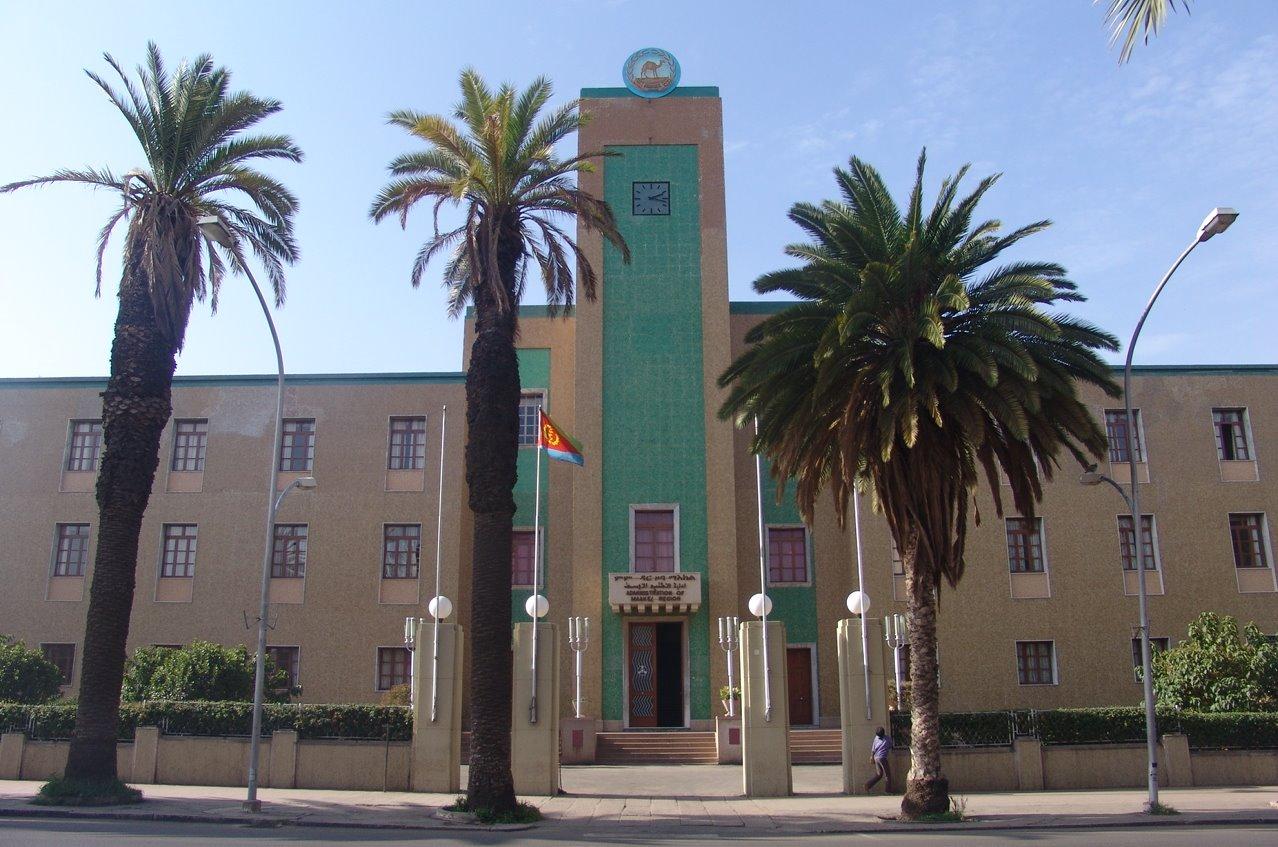
Eritrea's government building in Asmara.

Eritrea’s government building in Asmara.

This is the fifth part of The Thin Red Line, an African Arguments series focusing on dynamics around the Red Sea.

Over the past few years, alliances and rivalries across the Horn of Africa have shifted significantly. This is perhaps nowhere clearer than in Eritrea, which has embodied the truism that counties have no permanent friends or permanent enemies, but only permanent interests.

Recently, those interests have led Asmara to make peace with Ethiopia after twenty years and improve its relations with others in the region. These breakthroughs have led to hopes that the government may soon enact long overdue reforms at home. After all, for two decades, its oppressive behaviour and economic woes have been blamed on hostility with Ethiopia and living a “bad neighbourhood”.

A closer look at the factors leading to Eritrea’s changing relations, however, dampen these expectations.

Eritrea’s changing allegiances

In the first few years of independence in the 1990s, Eritrea built its foreign ties on principles and loyalties. Though not always completely consistent, it shunned governments that had supported its rival liberation movement as well as monarchies or Islamist regimes deemed to be a threat.

Following the 1998-2000 border war with Ethiopia, these determinations quickly shifted. Tensions with neighbours Ethiopia, Djibouti and Sudan ratcheted up, while relations with the West took a turn for the worse. Under this growing international isolation and domestic pressure, foreign relations became more pragmatic. The goal became, first and foremost, about regime survival.

President Isaias Afwerki thus looked to cut deals with a range of other powers looking to extend their influence in the region. These partnerships range from China and Russia to Israel, Iran and Libya. From the mid-2000s, however, Qatar became particularly crucial to the maintenance of Afwerki’s increasingly repressive rule. The small Gulf nation provided essential and extensive financial and military assistance and became the Horn of Africa country’s most important economic partner.

In the early-2010s, this close relationship started to fray. Afwerki was reportedly angered by Qatar’s attempts to tame his recalcitrant behaviour and break Asmara’s long-running impasse with Ethiopia. He was additionally alarmed at the Gulf nation’s catalysing role in popular uprisings in the 2011 Arab Spring.

Eritrea therefore took the opportunity of increasing interest from Saudi Arabia and the United Arab Emirates (UAE) to shift its alliances. In 2015, it signed a security partnership agreement allowing the UAE to build a military base in Assab for its war-effort in Yemen. Afwerki’s new allies agreed to provide significant financial aid, build infrastructure in Eritrea, and increase fuel supplies to the country. Eritrea provided land, airspace and also reportedly deployed around 400 of its own troops to Yemen.

Saudi Arabia and the UAE quickly became essential partners as Eritrea switched allegiances. The extent of this change was clear in the 2017 Gulf crisis when the government threw its weight behind the Saudi-led camp in its attempts to isolate Qatar.

In the last couple of years, Asmara has also given the cold shoulder to this bloc’s regional rivals. It has cut off military and diplomatic relations with Iran, whose nuclear programme Afwerki had publicly defended in 2009, and snubbed Turkey in its attempts to extend its influence in the Horn. At the same time, Afwerki has visited Egypt, an affiliate of the Arab axis, on several occasions and supported Cairo in its diplomatic row with Ethiopia and Sudan regarding the Nile waters.

Peace with Ethiopia

All these foreign policy changes have been significant for Eritrea. But perhaps the most momentous shift has been its rapprochement with Ethiopia after twenty years of hostility. Beginning this June, the two neighbours ended their long-standing stalemate and promised to open a new chapter of peace.

This understandably rocked the region. The conflict has cast a shadow over the Horn of Africa for two decades. Ethiopia has used the dispute to encourage others to isolate Eritrea. Meanwhile, Afwerki has used Ethiopian hostility as a pretext for widespread prohibitions on freedoms, the banning of the free press, and the imposition of indefinite military service at home.

Following the announcement of peace, and Ethiopia’s calls for the UN to lift sanctions on its neighbour, it was understandable that many were excited an opening up of Eritrea might be in the offing.

However, there are reasons to be sceptical this change is coming.

Change abroad, change at home?

Firstly, this development is related to Eritrea’s broader relations across the Red Sea, and therefore the dynamics and interests these contain.

As documented in the Thin Red Line series, the Red Sea has regained its geopolitical significance recently with rival powers scrambling for strategic footprints on the sea’s western shores. Different competing blocs have built allegiances – bolstered by attractive economic deals – from Egypt down to Somalia, gaining leverage over many of their new partners. Some African countries, most notably Ethiopia, have been able to stay independent in the face of this attention, but others have struggled. Eritrea has clearly thrown in its lot with the Saudi bloc to which it is reliant and indebted.

These patrons, however, have little interest in Eritrea undergoing reforms, which might risk its internal instability. After all, the Gulf’s engagement is not based on principles but self-interest. For various reasons, a rapprochement between Addis Ababa and Asmara was deemed to serve these interests; Emirati leaders notably met with Ethiopia’s Prime Minister Abiy Ahmed and President Afwerki on several occasions in the run-up to the announcement of peace. But democratisation in Eritrea is unlikely to. In fact, the opposite may be true.

In this way, Eritrea and Ethiopia’s peace can be seen as part of wider Red Sea dynamics, rivalries and interests being projected onto the Horn, which are more likely to raise tensions in an already volatile region than encourage democratisation.

Secondly, the reality is that as long as Afwerki remains at the helm, it is difficult to see genuine reforms happening. For a whole generation, the president has suspended Eritrea’s democratisation and cracked down on any dissenters in order to maintain his rule.

Former foreign minister Petros Solomon, a member of the G-15 opposition who disappeared in 2001, once claimed that Afwerki’s foreign policy was erratic and that the ministry’s main job was simply to do damage control. But this underplays the underlying logic of the president’s approach to foreign relations, which has mostly been about his own survival. Previously, hostility with Ethiopia served this purpose. Under new circumstances, Afwerki has deemed that a UAE-brokered peace is advantageous. But the ultimate motivation is the same.

Eritrea’s lucrative alliances with powers across the Red Sea may have precipitated some sweeping changes in its foreign policy, but they have also bolstered the president’s position domestically. In fact, rather than pushing for change, they have given him a new lifeline. Afwerki’s new partnerships have allowed him to avoid the economic and political liberalisation that Western donors or continued misery might have demanded, and they have fortified his security and military base against direct threats or internal demands for reforms.

Source=https://africanarguments.org/2018/09/12/eritrea-why-change-abroad-change-home/


Peace prospects are much higher in the Horn of Africa. But obstacles remain

by Martin Plaut
September 11, 2018 8.15am BST

Author

1.     Martin Plaut

Senior Research Fellow, Horn of Africa and Southern Africa, Institute of Commonwealth Studies, School of Advanced Study

Disclosure statement

Martin Plaut is affiliated with the Commonwealth Institute of the University of London, the Royal African Society and Chatham House.

    Ethiopia’s Prime Minister Abiy Ahmed (left) and Eritrea’s President Isaias Afwerki re-opening the Eritrean embassy in Addis Ababa.EPA-EFE/Stringer It’s just five months since Abiy Ahmed took overas Ethiopian Prime Minister yet the pace of change in the Horn of Africa has been simply staggering. Insuperable obstacles have been swept away. So many hurdles have been vaulted that it’s difficult to keep track.

First, Ethiopia and Eritrea ended years of hostilities. And just two months after Abiy’s first path-breaking visit to Eritrea meetings have been held in Djiboutito try and eliminate some of the major international problems besetting the region.

The background to the Djibouti mission was the conflict between Eritrea and Djibouti that erupted in 2008. For many years it was unresolved and there was a serious source of tension in the region. The Djibouti-Eritrea issue was also the reason why United Nations sanctions against Eritrea were not lifted – despite UN monitors declaringthat Eritrea was no longer aiding the Somali Islamist group, Al-Shabaab.

The armed confrontations between Ethiopia and Eritrea, and between Eritrea and Djibouti, have now vanished in a puff of smoke. Or so it would appear.

It would be a mistake to ridicule what has been achieved. Eritrea seems to have genuinely dropped its hostility towards its southern and its eastern neighbour. But it’s also prudent to note the obstacles that remain.

Eritrea is still locked in a confrontation with its western neighbour, Sudan. In January Sudan’s President Omar al Bashir closed the country’s border with Eritrea, sending crack troops to patrol the frontier. The dispute was never officially explainedand seems to have been parked for now. But others remain.

Abiy is aware that a lot still needs to be done. As he put it recently:

When the time came both peoples Eritrea and Ethiopia woke up from their sleep and said enough is enough and brought back their peace. The next question will be not about who contributed how much to the peace deal, it should be on how to keep and sustain the peace, because the peace needs to be maintained. So, all people have to work together to sustain it.

In addition, for the peace efforts to stick both Ethiopia and Eritrea must complete internal reforms. Abiy has pushed Ethiopia much further down the road of reform while Eritrea still has a long way to go. Consolidating democracy and internal peace building will be needed if the dramatic pace of change is to hold in the region.

What still needs to be done

As Abiy rightly says, a great deal still needs to be done to sustain the peace. People and villages all along the Ethiopian border need to be assigned to their respective countries, as the new border comes into force. Tens of thousands of troops will have to be withdrawn from the trenches they have inhabited since the end of the border war of 1998–2000. A host of customs arrangements and immigration issues must be resolved. This is the hard graft that needs to follow the handshakes and smiles of the leaders.

Then there are internal reforms in both Ethiopia and Eritrea that have to be addressed if peace and security are to be consolidated.

Ethiopia has made considerable progress on this front. Journalists have been freed from jail, the internet restrictions lifted and media regulations relaxed. Political prisoners have been released and opposition leaders have come home.

Even hardline rebels based in Eritrea have returned. Berhanu Nega, the elected mayor of Addis Ababa, who fled into exilein the US, has arrived home. Speaking to the BBChe described Ethiopia as

a fundamentally changed country.

These developments have transformed the atmosphere in the capital. But in the rest of Ethiopia there are still major issues confronting the government. More than two million people have been displaced in recent ethnic clashes. The Tigrayans, who ruled the country after seizing the capital in 1991, are smarting from their loss of influence.

Still some way to go in Eritrea

In Eritrea there have only been the most feeble of moves towards reform. Bloomberg reported that the government is “definitely studying”the possibility of demobilisation of its vast army of national service conscripts. In an interview the Minister for Labour and Human Welfare Luul Gebreab said:

Definitely a small army will remain, and the others will concentrate on the developmental work as planned.

When this might take place is not clear.

On other reforms, including the implementation of the country’s constitution, the freeing of political prisoners and the lifting of the ban on independent media and all opposition political parties, there is a stony silence from the Eritrean government.

Herman Cohen, the former US Secretary of State for African Affairs who brokered an end to the Eritrean-Ethiopian War in 1991 has offered encouragement. He has has argued that President Isaias “should not fear a more open Eritrea system. Now would be a good time to start the process.”

There are no signs of this taking place and as a result no drop in the number of Eritreans fleeing to neighbouring Ethiopia. The UN Refugee agency registered 1,738 in July this year – very much on trend with previous years.

Welcome developments

The developments between states in the Horn of Africa are clearly very welcome. The question now is whether they can be translated into reality on the ground, and whether the international developments will be reflected in internal reforms.

Once both of these steps have been taken it would be possible to conclude that the region has truly been transformed.

Martin Plaut | September 11, 2018 at 7:41 am | Tags: Eritrea Ethiopia, Horn of Africa | Categories: News | URL: https://wp.me/p9mKWT-lU

Comment    See all comments

Unsubscribe to no longer receive posts from Eritrea Hub.
Change your email settings at Manage Subscriptions.

Trouble clicking? Copy and paste this URL into your browser:
https://eritreahub.org/peace-prospects-are-much-higher-in-the-horn-of-africa-but-obstacles-remain

ኣብ ዝሓለፈ ወርሒ ነሓሰ ወከልቲ ጨናፍር ሰዲህኤ ካብ ምሉእኤውሮጳ ኣብ ከተማ ፍራንክፎርት ሰፊሕ ጉባ ከም ዘሰላሰሉን፡ ተሞክሮ ሰል ብሓፈሻ፡ ኣብ ዞባ ኤውሮጳ ድማ ብፍላይ መዚኖም። ኣብቲ ጉባኤ ብኣሰናዳት ሽማግለ ዝቀረበ ናይቲ መስርሕ ጸብጻብቀሪቡ፡ ኣባላት መሪሕነት ዞባ ነበር ዘቅረብዎ ናይ ስራሕ ወረቃቅቲ ካብዝጠቀሶ፡ ሓድነቶም ኣረጋጊጾም ዘጋጥሞም ዝነበረ ፈታና ብድሆታት ገጢሞም ከምዝሓለፍውዎ ዝዘከረ ነይሩ። ኣብዚ ስጥመቶም ሽማግለን መላእ ኣባላትን ኣረጋጊጾም ጥራይ ዘይኮነስ፡ ጉባኤ ንክልተ ዓመት ንዞባ ኤውሮጳ እተማእክልሓዳስ ሽማግለ ምምራተሓቢሩ ምንባሩ ዝዝከር ኮይኑ፡ ኣብ መጀመርያ ወርሒ መስከረም ድማ እቲ ሽማግለ ነብሱ ሰሪዑን ዕማማቱ ተመቓሪሑ ኣብ ዕቱብ ስራሕ ኣትዩ ምህላዉ፡ ሓላፊ ዜና ዞባ ኤውሮጳ ሓቢሩ።

ቀጺሉ፡ ብዕለት 07 መስከረም 2018 ሽማግለ ዞባ ኤውሮጳ ኣብዝገበሮ ኣኸባ፡ ዝተፈላለየ መደባት ሰሪዑን ሓይሊ ዕማማት (task forces) ከም ዝመዘዘ ኣባላዘሰከምዎ ሓላፍነት ኣብ ተግባር ንምዎኣሎም ኣብ ስራሕ ከምዝርከብ እውን ተገሊጹ ኣሎ።

ገለ ካብቶም ናይ ትግባረ ዕማማት ንምጥቃስከኣ፡

1 - ንህሉዊ ሃገራውን ሰልፋውን ዕማማትኣብ ምምራሕ ግዲኡ ከበርክት ዝኽእልን፡ ንዲክታቶርያዊ ጉዕዞ ክምክት ዝኽእል ዓቕሚ ኣባል ምሕያልን ምንቕቓሕን፡ ምሕዳስ ሰልፊ ካብ ምሕዳስ ነፍሲ-ወከፍኣባል ዝጅምር ዃኑ ምእማንብስራሕ ንምርኣይን

2 - ህሉዊ ኩነታት ህዝብናን ዝጠልቦ ዘሎ ናይ ድሕነት ጠለብን ሰልፍና “ሓቢርናንስራሕ ከነድምዕ፣ ሓቢርና ነድምጽ ከነስምዕዝብልጭርሖ ከነዐውት ምጻዓር (ምስ ኩሎም ፓለቲካውያን ውድባት ደላይ ፍትሒ ሓይልታትን ብመሰረት እማመ ሰልፍና ምስራሕ)፡

3 - ምስ ብዝተፈላለየ ምኽንያታት ካብ ቃልሲ በዂሮም ዘለዉ ዜጋታት ብጽዑቕ ምርኻብን ምብርባርን፡

ዝተጠቕሰ ዕማማት፡ ኣብ ርእሲ እቶም ብመሪሕነት ሰልፍን፡ ናይ ዞባ ሽማግለ ዝቐርቡ ናይ ሳሕ ዕማማት፡ ላዕሎካድራትሰልፍን ኣብ ኩሉ ጽፍሕታት ጨናፍር ኣብ ኤውሮጳን ከማልኦም ዘሎዎ ማዓልታዊ ናይ ስርርዕ ዕማማት ምዃኖም እውን ይዝከር

ቢርናንስራሕ ከነድምዕ፣ ሓቢርና ነድምጽ ከነስምዕ!!!

ክብርን ዝኽርን ንስውኣትና


ሰለስተ ኤርትራውያን ማሓዙትውድባት ብ10 መስከረም 2018 ናብ ኮሚሽነር ላዕለዋይ ኮሚሽን ጉዳይ ስደተኛታት ሕቡራት መንግስታት ፊሊፖ ግራንድ ምሕጽንታ ኣቕሪበን። እዘን ውድባት ኣብ ምሕጽንታአን፡ እቲ ላዕለዋይ ኮሚሽን ህይወት ናይቶም ኣብታ ካብ ዝሓለፈ ነሃሰ ጀሚሩ ቀጻሊ ውግእ ዝካየደላ ዘሎ ሊብያዊት ከተማ ትሪፖሊ ተዓጊቶም ዘለዉ ኤርትራውያንን ካልኦትን ስደተኛታት ንምድሓን ህጹጽ ስጉምቲ ክወስድ ጸዊዐን።

EPDP and Sister Orgs Appeal to UNHCR to Save Refugee lives in Libya 1

 መብዛሕትኦም ኤርትራውያን ዝኾኑ ዝተዘንግዑ ስደተኛታት ኣብ ሊቢያን ኒያምን ከምኡ’ውን ኒጀ


እዚ ናይ ሓባር ምሕጽንታ፡ ብሓድነት ኤርትራውያን ንፍትሒ (ሓኤፍ) መብዛሕትኦም ኣባላቱ ኣብ እስራኤል ዝርከቡ፡ ብሃገራዊ ድሕነት ኤርትራ-ሕድሪ (ሃድኤ-ሕድሪ)ን ብሰልፊ ዲሞክራሲ ህዝቢ ኤርትራ (ሰዲህኤ)ን እዩ ተዳልዩ ተላኢኹ።

እዚ ብቕዳሕ ናብ ኮሚሽን ሕብረት ኤውሮጳ፡ ሕብረት ኣፍሪቃን ካልኦት ጉዳይ ሰብኣውነት ዝምልከቶም ኣካላትን ዝተላእከ መዘክር፡ ኣብዚ እዋንዚ ኤርትራውያን ስደተኛታት ኣብ ሊቢያ ብጥይት ጥራይ ዘይኮነ፡ ብስእነት መግብን መጽለልን እውን ይመውት ከም ዘሎ ኣመልኪቱ።

እቲ መዘክር ንርከበሉ ዘለና እዋን፡ ላዕለዋይ ኮሚሽ ጉዳይ ስደተኛታት ሕቡራት ሃገራትን ዓለም ለኻውን ከባብያውን ትካላት ሰብኣዊ መሰላትን ህይወት ንምድሓን ከምቲ ድሕሪ ተረኽቦ ህልቂት ላምፓዱዛ 3 ጥቅምቲ 2013 ሕብረት ኤውሮፓ ዝገበሮ ህጹጽ ስጉምቲ ክውሰደሉ ዝግባእ ግዜ ምዃኑ ጸቒጡ ገሊጹ።

እዘን ሰለስተ ውድባት በቲ ገለ ወገናት ኣብ ኤርትራ “ለውጢ መጺኡ” ብዝብል ዝዝርግሕዎ ግጉይ ግምት እሞ ኤርትራውያን ስደተኛታት ንዝቕበሉ ሃገራት ክኾልፍ ዝኽእል ሓበሬታ ዝሓደረን ቅሬታ ኣንጸባሪቐን። እቲ መዘክር ኣብ ኤርትራ ክሳብ ሕጂ ዝኾነ ለውጢ ከም ዘይመጸን፡ እቲ ገበነኛን ዲክታተርን ኢሳይያስ ኣፈወርቅን ንኡስ ጉጅለኡን ካብ ስልጣን ተወጊዱ ብዲሞክራስያዊ መንግስቲ ክሳብ ዘይተተከአ ከምዘይረጋገጽን ደጊሙ ኣረጋጊጹ።                         

ብዕለት 09.09.2018 ጨንፈር ፍራንክፎርትን ከባቢኣን ብኣቦ መንበሩ ዝተመርሐ ወርሓዊ ኣኼባኡ ኣካይዱ። 

ናይቲ ኣኼባ ኣጀንዳታት ኣዞም ዝስዕቡ ምንባሮም ተሓቢሩ።

1 – ሓበሬታታት ብዛዕባ ህልዊ ኩነታት ሰልፍናን፡ ሃገርናን፡ ዞባ ቀርኒ ኣፍሪቃን ዓለምን፤
2 – ገምጋም ፈስቲቫል ፍራንክፎርት 2018፤
3 – ገምጋም ሰላማዊ ሰልፊ ጀነቫን ኩነታት ደምበ ተቓውሞን ኔሮም።

ጽቡቕ ኣጋጣሚ ኮይኑ'ውን ኣብቲ ኣኼባ ኣባል ፈጻሚት ሽማግለ ናይ ቤ/ጽ ፖለቲካውን ውድባውን ሓላፊ ዝኮነ ብጻ ተስፋይ ወልደሚካኤል (ደጊጋ) ተረኺቡ ኔሩ።

ኣብቲ ቀዳማይ ኣጀንዳና መግለጺ ክህብ ዕድል ስለ ዝተዋህቦ'ውን ግደ ሰልፍና ኣብ ህዝባዊ ኣገልግሎታትን ምንቅስቓስ ሰልፊ ከመይ ይኸይድ ከም ዘሎን ብምግላጽ'ዩ ጀሚሩዎ። ኣብ መግለጺኡ፡ ሰልፍና ኣብ ጉዳይ ስደተኛታት ኣብ ወጻኢ ብዙሕ ተገዳስነት ብምግባር፡ ኣብ ዝተፈላለየ ሃገራት ዓለም፡ ንመንእሰያት ሕግታትን ባህልታትን ናይ ዘለዉዎ ሃገራት ክፈልጡን ክወሃሃዱን ነፍሶም ክመርሑን ክመሃሩን ከም ዘለዎም ምሕባርን፡ ኣብ መነባብሮኦም ንዘጓንፎም ጸገማት ምትሕግጋዝን ምኽርታት ምልጋስን ዝገብሮ ዘሎ ጻዕርታትን'ውን ዘርዚሩ። ዕላማና ድማ ወጽዓ ኣጥፊእካ ሰላምን ፍትሕን ምራጋጽ ስለ ዝኾነ፡ ነቲ ዝኸይድ ዘሎ መስርሕ ሰላም ናይ ኢትዮጵያን ኤርትራን ንረብሓ ናይ ክልቲኡ ኣህዛብ ክኸውን ከም ዘለዎን ግሉጽነት ዘሰነዮ ክኸውንን፡ ንልኡላውነት ናይ ሃገርና ኣብ ዋጋ ዕዳጋ ዘየእቱን፡ ነጻ ኤርትራ ኣውሒስካ ጥራሕ ኣብ ዝኾነ ስምምዕ ክእቶ ከም ዘለዎን ኣብሪሁ። ንሕና'ውን ከም ደለይቲ ፍትሒ መጠን ኣብ ኩሉ ውሽጣውን ዞባውን ኣህጉራውን ፍታሓት ክንሳተፍ ከም ዝግበኣና ገሊጹ። ሰላም ተፈታዊት ብምዃና፡ ንሰላም መዝሚዞም ንህዝብና ግሉጽ ብዘይኮነ መገዲ ብጓይላታት ዝተሰነየ ናይ ንደመርን ንፋቐርን ጭርሖታት ክጭርሑ ጥራሕ ኢና ንሰምዕ ዘሎና። ስለዚ ንሕና ደለይቲ ፍትሒ፡ ተኣኪብናን ህልዊ ኩነታት ሃገርና ብጥንቃቐ ኣጽኒዕና ኣብ ሓድሽ ስትራተጂ ምእታው የድልየና ኣሎ። እቲ ናይ ምጥርናፍ ተቓውሞ ሓይልታት እማመና'ውን ተቢዕና ክንቅጽሎን፡ ነዚ ተላዒሉ ዘሎ ናይ ንተኣከብ ዜማ'ውን ኣብ ተግባር ክርአ ከም ዘለዎን'ውን ብሰፊሑ ገሊጹ።

ብጻይ ንጉሰ ጸጋይ ኣባል ባይቶ ሰልፊ'ውን ውን ኣገዳስነት ፈስቲቫል ብምግላጽ፡ ዕላማ፡ ናይቲ ዓመት-ዓመት ሰልፍና ዘካይዶ ፈስቲቫል ንደቂ ሃገር ንሓድሕዶም ምርኻብን ፖለቲካውን ማሕበራውን ባህላውን ንጥፈታት እነርእየሉን ምዃኑ ድሕሪ ምሕባር፡ ነዚ ፈስቲቫል እዚ ንምዕዋት ድማ ኩሉ ኣባል ብጉልበቱ ብገንዘቡን ግዜኡን ብምውፋይ ከም ዘሰላሰሎን ገሊጹ። ኣብ ወብሳይታት ተለጢፉ ስለ ዘሎ እቶም ዘይወዓሉዎ'ውን ኣብኡ ክርእዩዎ ይኽእሉ'ዮም። ኣብ ፈስቲቫል እምበኣር ብዙሓት ዕዱማት ኣጋይሽ (ካብ 17 ዘርውሕዱ) መጺኦም ቃሎም ዘስምዑን ጽሑፍ ዝሰደዱን ነይሮም። ኩሉ ዝነበረ መግለጺታቶምን ኣብዚ ዝኸይድ ዘሎ ኩነታት ሃገርናን ናይ ሓባር ኣተሓሳስባን ሚዛንን ከም ዝነበሮም'ውን ርኢና። ተኣኪብናን ሓቢርናን ምስራሕ ከም ዘድልየና ድማ ናይ ኩላቶም ሓባራዊ ቃል ኔሩ። ፕሮግራም ሰልፍና ድማ – ንልኡላውነት ኣብ ዋጋ ዕዳጋ ዘየእቱ ስምምዓትን ልምዓትን ምዕባለን ክህሉ'ዩ ዘፍቅድ ብምባል ሰፊሕ መግለጺ ኣቕሪቡ።

መንእሰይ ክብሮም ዓንዶም ኣባል ምምሕዳር ጨንፈር ሽማግለ ድማ ኣብቲ ሳልሳይ ኣጀንዳ ከም ናይ ዓይኒ ምስክር ኮይኑ ውዕሎ ሰላማዊ ሰልፊ ጀነቫ ብዓይነቱ ዝበለጸ ምንባሩን፡ ብዙሓት ናይ ዝተፈላለያ ሃይማኖታት መራሕቲ ከም ዝተሳተፉዎን መደረታቶም ከም ዘቕረቡን፡ ብዝተፈላለየ ቋንቋታት ድማ እግለጽ ምንባሩን ኣብሪሁን ከመይ ከም ዝነበረን ገምጋሙ ኣቕሪቡን ። እዚ ሕጂ ዘሎ መንእሰይ ድማ ካብቲ ዝጸንሖ ዝያዳ ቃልሱ ዘትርረሉን ዝወርሰሉን እዋን ምዃኑ ተርዲኡ ቃልሱ ከሕንን ጸዊዑ። ግደ መንእሰያት እንታይ ክኸውን ከም ዘለዎን ነቲ ቃልሲ ክወርስዎን ተቢዖም ክቃለሱሉን ከምዘለዎም እውን ኣተባባዒ ምሕጽንታ ኣቕሪቡ። ኣስዒቡ ካብዚ ዝካየድ ዘሎ ቃልሲ ዝያዳ ኣበርቲዕና ክንቃለስን ነቲ ኣቦታት ዘጽንሑልና ቃልሲ ክንወርሶን ኣሎና ብምባል ተሪር መልእኽቲ ኣመሓላሊፉ። ሰላማዊ ሰልፊ ጀነቫ'ውን

ቀጺሉ'ውን መንእሰይ ክብሮም፡ ነቲ ብውፉይ ብርሃነ ኣብርሀ ዝተወስደ ስጉምቲ ንኢዱ። ኣብ ውሽጢ ሃገር ኴንካ ክግበር ዘይከኣል ነገር እዩ ገይርዎ ዘሎ። እቲ ኣብ መጽሓፉ ኣስፊሩዎ ኣሎ ዝበሃል ዘሎ ድማ መቐጸልታ ናይቶም ንስልጣን ኢሳያስ ዝደፈሩ ምንባሩን፡ ካብ ትሕዝቶ መጽሓፍ፣ ልክዕ ነዚ ሕጂ ኣብ ሃገርና ዘሎ ኩነታት ዝሕብር ምዃኑን ገሊጹ።

ስለዚ ነዚ እናረኣና ኤርትራውነት ቀዳምነት ኢልና ክንሓብርን ቃልስና ከነበርትዕን ኣሎና ብምባል ተማሕጺኑ። መንእሰያት እምበኣር ዘሕዝን ታሪኽ ሒዝና ከይንጐዓዝ ንሕሰብ ብታሪኽ ከይንሕተት ብማለት ሰፊሕ መግለጺ ሂቡ።

ኣብ መወዳእታ ድማ ሕቶታትን ርእይቶታትን ብምቕራብን ኣዕጋቢ መልስታት ድማ ተዋሂቡ፡፡ ገለ ካብቲ ርእይቶታት ድማ ቃልስና ኣብ ሓድነትን ተወፋይነትን ህዝብና እዩ ዝምርኰስ እምበር ካብ ወጻኢ ፍታሕ ክመጸና ክንጽበ የብልናን ዝብል ኔሩ። ኣኼባ ልክዕ ኣብ ሰዓቱ ብዝክረ-ስዉኣት ተደምዲሙ።


Source: Exile

Diplomats and representatives of international aid organizations who were posted in Eritrea in the 1990s will remember Berhane Abrehe as the stern head of the Macro Policy and International Cooperation department. Mr. Abehe later served as finance minister until his mysterious fadeout in 2014. It is not uncommon in Eritrea, indeed rather the norm, for senior officials to be fired or simply sidelined, and for new ones to replace them, without any official announcement. It was soon revealed that Mr. Abrehe had for some time been at odds with the leader of the Eritrean regime, president Isaias Afwerki, over key aspects of economic policy and broader governance issues. He had, especially, made it clear that he could not be accountable for policies for which he had increasingly been only nominally in charge. Particularly at issue was revenues from the new gold operations and other mining activities, as well as a range of public enterprises, which are controlled, not by the Ministry of Finance, but the economic affairs office of the ruling PFDJ party, and hence, not subject to regular government oversight. The PFDJ economic affairs office is headed by Hagos (Kisha) Gebrehiwet, a member of the President’s inner circle.

In the last couple of weeks, Eritrean social media has been abuzz with news about a new two-part book that the former minister has authored, in which he severely criticises Isaias’ one-man rule. And just two days ago, Mr. Abrehe, who still lives in Asmara, released an audio message confirming his authorship of the book and reiterating his views on Isaias Afwerki and the general conditions of his country. He did not mince words!

Mr. Abrehe had messages for both the Eritrean public and Isaias Afwerki. Addressing Eritreans within the country and outside, he stated that the dire conditions they find themselves in because of Isaias’ repressive and dictatorial rule should change; and reminded them that only they can bring about that change.

He called on Mr. Afwerki to convene urgently the National Assembly [parliament] “for there are many important issues that we need to address” without delay. “You have no reason to dilly-dally anymore.” Even if several members of the legislature have died, and many others are behind bars or forced to flee the country, he told the President, it’s incumbent on you to do the only sensible thing and call all remaining members to meet immediately.

He further called on Isaias to stop, until proper National Assembly authorization is obtained, the ongoing non-transparent and haphazard diplomatic contacts, sanctioned by no authority but Isaias himself, and about which the Eritrean public has been kept in the dark, as well as the signing of hasty agreements that could potentially compromise Eritrea’s national strategic interests.

Mr. Abrehe also invited Isaias Afwerki to a public debate between them proposing a range of topics including the past, present and the prospects of Eritrea’s political, economic, social and cultural realities.

He reminded Mr. Afwerki that, once convened, the National Assembly is bound to take key decisions, including: 1. in a peaceful, legal and civilized manner remove Mr. Afwerki from his position as head of state and chairman of the National Assembly and replace him with a new leader; 2. holding of national parliamentary elections at the earliest possible time; and 3. pass other important and timely resolutions.

Mr. Abrehe concluded by reiterating that the owners of the coming change are Eritreans themselves, and not Isaias or any other individual or group; and those who would try to stop the coming wave will fail, as they would be faced with the wrath of the Eritrean youth.

Source=https://eritreahub.org/former-eritrean-minister-of-finance-challenges-isaias-afwerki-to-step-down

Eritrean and Ethiopian commanders meet at Zalanbessa as defensive positions are removed ahead of New Year celebrationsEritrean and Ethiopian commanders meet at Zalanbessa as defensive positions are removed ahead of New Year celebrations

Source: Human Rights Concern Eritrea

Eritrea: Hopes for Democratic Change and Reform of National Service?

Following the recent rapprochement between Eritrea and Ethiopia dated 7 July 2018, a number of media commentators, diplomats and foreign government officials have expressed hope that the political situation in Eritrea would be normalised soon. Attention must be given to the system of arbitrary and indefinite national military service programme of the government of Eritrea.

The National Service programme is characterised by forced conscription, persistent human rights violations and slavery. It is the main reason behind Eritrean migrant exodus witnessed over the course of the last two decades. (See the findings of the UN Commission Of Inquiry).

The hope is that the programme would cease to be indefinite and that the period of service would be limited to 18 months. For Germany’s development minister, Gerd Mueller, who personally met President Isaias Afewerki on 24 August, his hopes go further and he predicts the introduction of “democratic structures” in Eritrea soon.

This far, there is no material evidence to justify the hopes expressed by media commentators and foreign government officials like Minister Gerd Mueller. Their hopes appear to be based merely on their personal encounters with Eritrean officials, or perhaps on the contents of the series of interviews made by Eritrean officials with international media outlets.

From long experience, Eritreans do not take statements made by Eritrean officials seriously, simply because of the constant inconsistencies and discrepancies between words and actions. Above all, the promises they make normally do not materialise.

Nevertheless, in so far as they appear to draw the attention of international media and foreign government officials, perhaps it is important to review the statements made by Eritrean officials over the course of the last four years.

Statements of Eritrean Officials

Concerning  a transition to a constitutional governance in Eritrea, in May 2014, in an interview with local media, President Isaias Aferwerki announced the “death” of the 1997 constitution – a constitution that was ratified in 1997 but never  implemented.  Instead he promised the drafting of a brand-new constitution.

Two years later, in February 2016, a Presidential Adviser, Yemane Gebreab, informed the UN Commission of Inquiry that a committee was established to consider the drafting of a new constitution. Four years since this initial announcement, what happened to this “new” constitution?  Or is there any “new” constitution at all?

With regard to the programme of national military service, in April 2015, in an interview with the Bruno Kreisky Forum for International Dialog, Yemane Gebreab stated that Eritrea would limit national service to 18 months, in line with the provisions of the 1995 decree. He also added that “the challenge is to be able to find jobs, skills, training and business opportunities when conscripts are released”, indicating that the problem is mostly an economic issue.

However, after one month, Yemane Gebreab’s assertions were contradicted by a Ministry of Foreign Affairs’ press statement released in June 2015, which made it clear that there are no plans to limit the period of National Service to 18 months, owing to Ethiopia’s refusal to abide by the decision of the Border Commission.

Similar assertions were made by the Information Minister, Yemane Gebremeskel, in February 2016, in an interview with Reuters in which he stated that there were no plans to limit national service, and that “demobilisation is predicated on removal of main threat”, that threat being Ethiopia’s refusal to withdraw its troops from Eritrean territories. In the same month, President Isaias made an announcement of salary increases to conscripts. It is important here to note the pattern – “we-will-limit, we-won’t-limit, and salary-increase”.

With peace declared between Eritrea and Ethiopia in July this year, similar statements are once again emerging from Eritrean officials, and following the same pattern observed in 2015/16.Immediately after President Isaias announced his impending visit to Ethiopia, it was reported that officials at Sawa military training camp informed new conscripts that National Service will be limited to 18 months. The news found its way to international media and produced some level of jubilation.

Information Minister Yemane Gebremeskel was aware of the reports, and he stated that “an official announcement has not been made so far”, suggesting that such an announcement would be imminent.

Later in August, Yemane Gebremeskel told Bloomberg that “work on the constitution would begin soon”, indicating that whatever the President and his Adviser had said about a “new” constitution thus far had been nothing but another empty public relations exercise.

On 25 August 2018, the Eritrean Foreign Minister, Osman Saleh Mohammed, met with the German minster, Gerd Mueller. Mohammed appeared so emboldened that after the meeting with Minister Mueller, he held an interview with the Germany radio service (Deutsche Welle). In the interview, he blandly stated that his government was not the cause of the Eritrean migrant exodus, as if the national service decree has been implemented in Eritrea by the German government! Implicitly indicating that the political situation of Eritrea is back to normalcy (or national service is limited to 18 months), he also called for Eritrean migrants to come back home.

A new addition to the “discourse” (a discourse normally carried out by the president, the Minsters of Information and Foreign Affairs, and the presidential adviser) is the Minister of Labour and Human Welfare, Mrs. Luul Gebreab. On 2 September, Mrs. Gebreab told Bloomberg that Eritrea will cut its army numbers and that the remaining conscripts “will concentrate on developmental work”. Like the excuses presented by Yemane Gebreab in 2015, she also stated that the government is studying the “economic effects of demobilization”, i.e. issues concerning to availability of employment for conscripts.

At the same time, Yemane Gebremeskel asserted (also to Bloomberg)that at the moment there is no  prospect of returning to “statutory” terms of 18 months national service.  Instead he raised the matter of reviewing and considering salary increases for conscripts. It is important to note that conscripts are normally deployed (with no more than nominal pay) in every sector where labour is needed – be it in the army, construction companies or civilian administration.

Bloomberg has learned that Eritrean officials maintain the position that “demobilisation depends on Ethiopia concluding its parts of the peace deal and withdrawing its troops from Eritrean territories”. This means that conscripts will not be free until such time as Ethiopia acts in a specific way. In this way, the officials are determined to convince everyone that the “Ethiopian threat” persists. With the issue of “salary increases” again raised, the repeated pattern of delay and excuse becomes complete.

The National Service: what is it?

For nearly three decades, Eritrea has indeed faced a human tragedy of epic proportions where thousands were subjected to a practice of slavery and servitude, many lost their lives in wars, and a significant proportion of its population was forced to flee the country at great cost to preserve their lives. Central to all of these tragedies is the programme of national military service, and as such it is quite normal to see the issue receiving constant international coverage.

However, there appears a flawed understanding of what exactly the programme is, especially among those who report it; a misconception that appears to exist among diplomats and government officials, such as Gerd Mueller, who therefore simply propagate unrealistic hopes.

The National Service programme started in 1994 with a different proclamation from that of 1995. The first proclamation (71/94) strictly limited the period of national service to 18 months. Supported by the then dominant narrative of “liberation struggle”, it was warmly accepted by the Eritrean society without any noticeable form of resistance. But by the end of 1995, that decree had been quietly rescinded and replaced by the infamous 1995 proclamation (82/95).

By incorporating a provision known as “special obligation” (Article 21(1)), the 1995 decree subjects every adult citizen to its draconian administration, where everyone is duty bound to “serve as a volunteer” for the whole of his/her adult life. To use a more precise definition, for Eritreans the decree effectively stripped their citizenship status from them and turned them into stateless slaves.

One can thus see that the process of building an institution of forced conscription and slavery started long before the “border war” with Ethiopia, with the quiet implementation of the 1995 decree. Slowly over the years, it ensured a Master-Slave relationship in which Eritreans have effectively become the personal property of the president that can be sent to different wars and whose labour can be exploited at a whim for the benefit of the president and his loyal lieutenants. Additionally, it provides the president with a political tool that ensures effective crowd control. (One has only to refer to the list of testimonies submitted to the UN Commission of Inquiry to learn how a certain lieutenants or administrative office-bearers personally benefit from having conscripts under their command).

Parallel with the institution of slavery, a culture of terror has also been established to silence any voices and/ or to curb any actions that appear to resist the system of institutionalised slavery. This system is propagated through a network of national security agents, and a franchise of torture and imprisonment of hundreds at concentration sites countrywide.

A whole list of abuses and crimes against humanity continue to be committed under such institutions of terror and slavery. The Eritrean migrant exodus which the world has witnessed over the last decades is fundamentally a result of such inhumane practices.

We now hear Eritrean officials and international commentators suggesting the return to “statutory” terms of 18-month national service. One wonders whether this means a return to the original 1994 decree or a partial implementation of the 1995 decree? Most importantly, is that truly a solution for the tragedy?

Again, there are persist statements which indicate the economic challenges the government is facing as far as demobilisation of conscripts is concerned. For the outside world, this presents an image of a caring government that is concerned about the future of the conscripts once they are free. But for those who are going or have gone through the institutions of slavery and terror, now only too well that the president and his military commanders are worried about the loss of personal, political and economic benefits as a result of the loss of slave or conscript labour.

One may be tempted to present question to Minister Gerd Mueller and others who are propagating hopes of democratic change in Eritrea: “Why would a Master opt to free his slaves when the consequence of doing so is a loss of personal political and economic benefits? Would appeasing such a slave-master, giving tax payers’ money to him, and providing material and political incentives to that Master, help to free the slaves? Wouldn’t it be much more appropriate to support and empower the slaves to free themselves, or to support those who are fleeing persecution as refugees in Europe and elsewhere?”

In the end, it is perhaps important to recognise that the pressing political issue in Eritrea is a question of citizenship status, which can only be addressed by the introduction of a truly democratic constitutional system that guarantees the enjoyment of citizenship rights. The first step is therefore to put such a constitution in place. To put it in simple terms, the slave must be upgraded to a citizen.

Human Rights Concern – Eritrea (HRCE)

Source=https://eritreahub.org/eritreas-promises-of-internal-reform-but-what-about-delivery

Three Eritrean organizations on 10 September 2018 sent an urgent appeal to High Commissioner Filippo Grand of the UNHCR asking for the agency’s most immediate action to help save the lives of Eritrean and other refugees who are trapped in the war-torn Libyan city of Tripoli where intensive battles are raging between militias since late August this year.


The joint appeal was issued by the United Eritreans for Justice (UEJ), majority of whose members are in Israel; the Eritrean National Salvation (ENS-Hidri) and the Eritrean People’s Democratic Party (EPDP).


Copied also to the commissions of the European Union, the African Union and concerned humanitarian organizations, the memorandum noted that helpless Eritrean refugees and migrants stranded in Libya are dying on daily basis not only by stray bullets but also because of food and shelter.


The memo stressed that it was high time that UNHCR and international and regional humanitarian agencies consider Libya a “topmost Humanitarian Disaster Zone” and initiate an emergency response” to save lives, as EU did after the Lampedusa tragedy of 3 October, 2013.


The three Eritrean organizations also expressed regret that certain quarters are airing the false assumption that “change has come to Eritrea” and that third-country resettlement for Eritreans refugees has to be halted.


The memo reaffirmed the fact that nothing has changed in Eritrea and will never change “until the criminal regime of dictator Isaias Afeworki and his small clique is removed from power and replaced by a democratic system of governance”.


Copied below is the full text of the joint Eritrean memorandum.


Sister2


Joint Eritrean Appeal for Support to Victimized


Eritrean Refugees in Libya


To: H.E. Mr. Filippo Grandi,

High Commissioner,

UNHCR Geneva,

C.C:European Union, Brussels

       African Union, Addis Ababa

      Concerned Humanitarian Agencies

                                                                                                         September 10, 2018

Your Excellency Mr. Filippo Grandi,

This joint appeal from us, Eritrean justice seekers struggling for democratic change in our desperate country, earnestly wish to draw your most immediate attention to the highly disturbing situation of Eritrean asylum seekers stranded in today’s lawless Libya and those in Niger camps waiting for never fulfilled promise for third-country resettlement.


The worst and priority cases are 8,000 refugees, a good number of them Eritreans, scattered in the streets of Tripoli where battles are raging on daily basis since 26 August 2018. These unprotected refugees and migrants are without food and shelter and dying at alarming rates. Similarly, those held hostage by middlemen and human traffickers in Libya are crying for your and humanity’s attention.


We believe it is high time that UNHCR and sister agencies consider Libya the topmost Human Disaster Zone in the world and ask an emergency response of the UN Security Council and regional actors like the European Union.


Dear High Commissioner,

We in the Eritrean People’s Democratic Party (EPDP); United Eritreans for Justice (UEJ), and the Eritrean National Salvation (ENS-Hidri) addressing this appeal as part of the Eritrean opposition camp in exile, are equally disturbed by the false assumption of certain quarters that “change has come to Eritrea” and that third-country resettlement for Eritreans refugees has to be halted for now.


Sir,

We strongly reject and denounce this wild supposition and wishful thinking of certain interested quarters and consider it as an insult to injury to victimized Eritreans. They know, as we know, that nothing has changed in Eritrea and that nothing is expected to change until the criminal regime of dictator Isaias Afeworki and his small clique is removed from power and replaced by a democratic system of governance.


Dear High Commissioner Grandi,

As mentioned in recent Eritrean appeals to your esteemed office, Eritrean refugees were among those who died at the Bani Walid killings by human traffickers, and that the fate of those 140 survivors of the massacre is still precarious. Likewise, the majority of those hapless Eritrean families taken from Libya to Niamey, Niger, for possible third-country resettlement are still languishing in refugee centers with little hope in the air.


You may recall the Lampedusa tragedy of five years ago in which over 360 Eritreans perished because of lack of goodwill to save them. Your Excellency may also know that it was the Lampedusa disaster involving Eritrean lives that triggered the EU to take up, at least for some time, the responsibility of saving lives in the gateways to Europe. There is no doubt that Eritrean deaths, in comparison to the small size of the Eritrean population, were very high among the estimated 33,000+ deaths in the Mediterranean Sea over the last few decades.


Today, big numbers of Eritreans are still dying within the territory of Libya, and we hope an action similar to what the EU did after Lampedusa will be initiated by the UNHCR and launched at global level to save refugee lives in Libya.


Trusting that this message will draw the attention of UNHCR, and through it of all concerned bodies in the international community, we remain, Sir,


Sincerely Yours,

For/

The Eritrean People’s Democratic Party (EPDP)

United Eritreans for Justice (UEJ)

The Eritrean National Salvation-Hidri (ENS-Hidri)


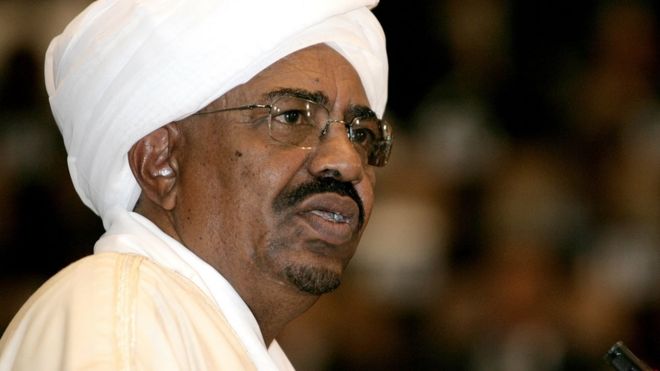
ፕረሲደንት ዑመር አልበሽርImage copyright
ASHRAF SHAZLY

ፕረሲደንት ሱዳን ዑመር ኣል-በሽር እታ ሃገር ገጢምዋ ዘሎ ቁጠባዊ ቅልዉላዉ ንምግጣም ንካቢነ እታ ሃገር ከም ዘፍረሰ ተገሊጹ።

በዚ መሰረት 31 ዝነበረ ቤት-ጽሕፈት ሚኒስትሪታት ናብ 21 ከም ዝጎድል ክግበር ኢዩ።

ፕረሲደንት ኣልበሽር ሱዳን ካብ ትርከበሉ ቁጠባዊ ቅልዉላዉ ንምግልጋል እዚ ስጉምቲ ኣድላዪ ኢዩ ኢሉ።

ትማሊ 9 መስከረም፡ ማእከላይ ቤት ጽሕፈት እቲ መራሒ ሰልፊ ኣብ ዝተኻየደ ህጹጽ ኣኼባ ሰልፊ ሃገራዊ ጉባኤ ኢዩ ነቲ እማመ ኣጽዲቕዎ።

ኣብ ፈለማ ናይዚ ሒዝናዮ ዘሎና ዓመት መንግስቲ ክገብሮ ዝጸንሐ ድጎማ ብምቁራጹ፡ ዋጋ ሕብስቲ ብዕጽፊ ምዉሳኹ ስዒቡ ናይ ተቓዉሞ ሰልፍታት ክካየዱ ጸኒሖም ኣለዉ።

ባጤራ ሱዳን ዋግኡ ከም ዝጎድል ብምግባሩ ካብ ሃገራት ወጻኢ ስርናይን ካልኦት ምህርትታትን ምዕዳግ ከቢድ ኮይኑ ኣሎ።

ክኢላታት ቁጠባ ከም ዝብልዎ ተኾይኑ፡ ካብ ቅድሚ 7 ዓመታት ደቡብ ሱዳን ካብ ሱዳን ካብ ትፍለይ ንደሓር፡ ቁጠባ ሱዳን ኣብ ሓደጋ ወዲቑ ኣሎ።

ደቡብ ሱዳን ካብ ሱዳን ክትፍለይ ከላ 75 ካብ ሚእቲ ዝኸዉን ናይ ነዳዲ ሃብቲ ብምሓዝ ኢያ ናጽነታ ዝኣወጀት።

74 ዕድመ ዘለዎ ኣልበሽር ናብ'ዚ ስልጣን ካብ ዝመጽእ 25 ዓመታት ኣቑጺሩ ኣሎ።